


Why Cost Pressure in 2026 Pushes Smart Buyers Toward Premium 2D Partners With Better Control, Not Cheaper Chaos
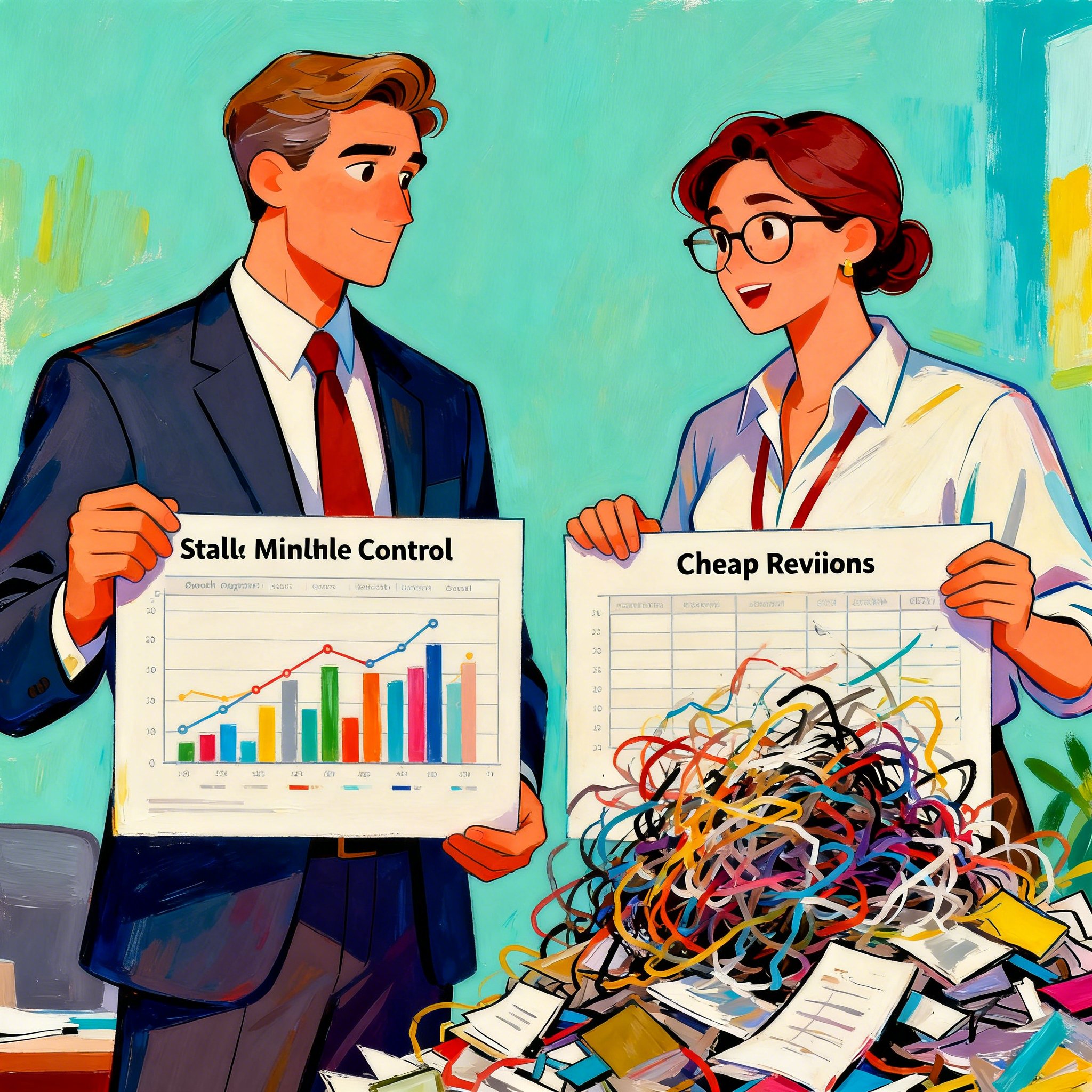
Why Cost Pressure Makes Control More Valuable Than Cheapness
In 2026, cost pressure is forcing buyers to examine every external partnership more aggressively. But the strongest teams are not responding by choosing the cheapest art option they can find. They are becoming more selective about control. When budgets tighten, the real commercial danger is rarely premium quality itself. It is uncontrolled rework, unstable approvals, and late-stage confusion that quietly multiply cost after the vendor looks cheap on paper.
That is why many serious buyers now lean toward premium 2D partners that can protect direction quality under pressure. In a tighter market, stability becomes more valuable, not less. Buyers need a partner that can reduce noise, keep visual decisions coherent, and preserve decision speed without turning the pipeline into an expensive repair cycle.
Why Cheapness Often Creates a More Expensive Project
The mistake many teams make during cost pressure is treating rate compression as true savings. Lower rates can help, but only if output remains predictable. Once briefing quality drops, revisions multiply, stakeholder confidence weakens, or the visual system starts drifting across deliverables, the buyer begins paying hidden cost in the form of slower approvals, management drag, and lost launch confidence.
This is where a premium game art outsourcing studio can become the more rational commercial choice. The premium is not only about style. It is often about protecting the buyer from system-level waste that a cheaper vendor introduces through weaker controls. When pressure rises, those controls matter more than ever.
What Buyers Really Need in a Cost-Pressure Cycle
In practice, buyers under cost pressure need four things from a premium 2D partner: clear scope translation, disciplined review structure, early risk escalation, and consistent quality across batches. These are the conditions that keep a project manageable when the room is already tense. If any one of them breaks, the buyer can lose far more value in operational friction than they saved in nominal vendor cost.
That is why strong game art services should be evaluated through control quality, not only through portfolio appeal. A strong portfolio opens trust. A controlled operating model keeps that trust alive through milestones, revisions, and internal scrutiny.
How Premium 2D Partners Protect Cost Better
Premium 2D partners usually protect cost by making the pipeline easier to manage. They reduce uncertainty in how briefs are interpreted, maintain cleaner visual consistency, flag directional risk earlier, and create more legible approval paths for the buyer. In commercial terms, they do not merely provide art. They reduce the probability that the buyer will need to spend extra energy correcting preventable instability.
A more mature 2D game art outsourcing model also makes tradeoffs easier to discuss. When the buyer needs to cut, defer, or rebalance scope, a premium partner can help protect the parts of the visual system that matter most. That means cost pressure can be handled strategically rather than destructively.
The Hidden Cost of Chaotic Review Loops
Cheap chaos usually enters through review loops. A team may think it is buying lower-cost execution, but if review quality is weak, every milestone becomes harder to defend. Feedback grows less precise, stakeholders disagree more openly, and revisions stop feeling like refinement. They start feeling like uncertainty. The more that happens, the less useful the original cost saving becomes.
That is why an experienced art outsourcing studio helps buyers preserve commercial calm. It creates a structure where creative ambition can still move forward without turning budget pressure into process disorder. That calm is not cosmetic. It is part of how real savings are protected.
A Better Buyer Test for 2026
A practical buyer test in 2026 is simple: ask which partner gives you better cost control after the contract is signed, not just before it is signed. How quickly can the team surface risk? How predictable are review rounds likely to be? How well can the partner protect direction quality if priorities shift? How much management burden will land back on your internal team? These questions usually reveal more than headline rate comparisons.
This is also why video game art outsourcing decisions should be framed around total operating cost, not isolated production price. In a pressured market, the studio that prevents confusion, shortens alignment time, and protects quality under constraint often creates the better financial result.
Why This Matters for Buyers Choosing NextMars
If your team is under pressure to spend more carefully without accepting weaker visual control, NextMars fits the moment well. As Nextmars the digital art studio, the team helps buyers build premium 2D collaboration models where quality stays legible, revisions stay manageable, and budget pressure does not collapse into chaos.
That is the deeper shift shaping buyer behavior in 2026. Cost pressure does not automatically reward the cheapest option. It rewards the partner that protects outcomes with the least chaos. In premium 2D collaboration, control is often the real economy.
Why Buyers Remember Control More Than Discount Claims
There is also a decision-politics layer here. When a buyer chooses a lower-cost partner and the project later becomes unstable, the internal cost is not just schedule drag. It is reputational drag. Producers need to explain slippage, creative leads need to defend unstable direction, and managers need to absorb doubt from stakeholders who suddenly question the original vendor choice. Better control reduces that internal damage before it starts.
That is one reason premium 2D partners remain commercially strong even in harder markets. They help buyers conserve managerial confidence, not only production quality. When direction stays legible and milestones remain defendable, cost pressure feels manageable. When the system turns noisy, even a lower initial price can become harder to justify internally.
What This Means for Smarter Cost Discipline
The smartest response to cost pressure is not random cost cutting. It is selective cost discipline. Buyers should spend where stability protects the rest of the pipeline and simplify where lower risk truly exists. Premium 2D partners are often valuable precisely because they make that discipline easier to execute without sacrificing clarity, trust, or launch readiness.
That is why control is the more important signal in 2026. Buyers do not need cheaper chaos. They need partners who can keep quality understandable, rework limited, and decisions defensible when every budget conversation becomes sharper.

Comments