


Why Cross-Placement Resilience Is Becoming the Real KPI for Premium Game Key Visual Systems in 2026
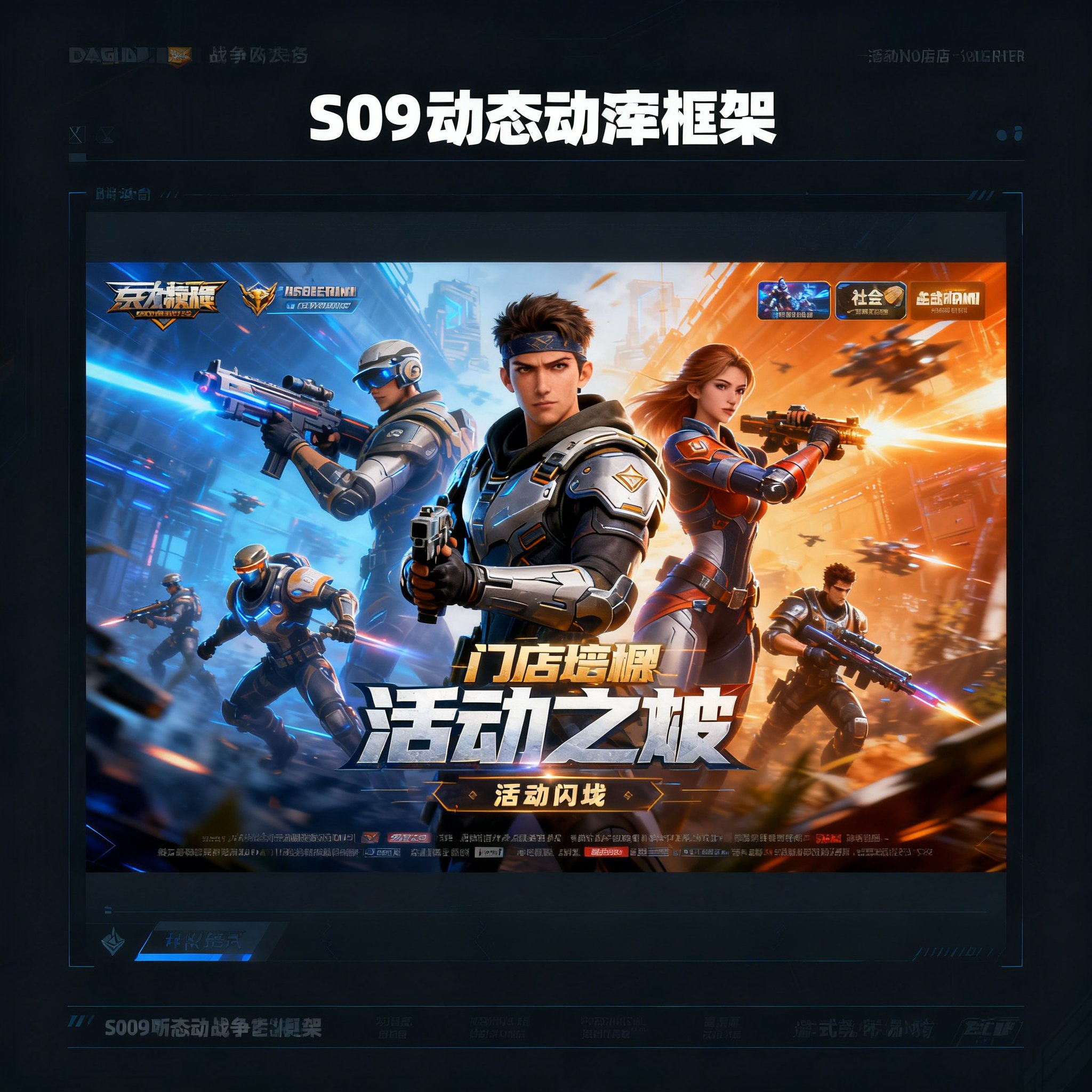
In 2026, marketing teams are not short on images. They are short on images that keep working after the first placement. A key visual may look impressive in a presentation deck, yet lose force when it is cropped into a storefront capsule, compressed into a paid social unit, or adapted for an event banner with different messaging pressure. This is why more buyers are moving beyond isolated beauty and asking a more commercially useful question: can the visual system survive across placements without losing its core promise? That is where premium game art outsourcing starts to matter in a different way.
For marketing leads and brand managers, that shift is significant because channel fragmentation has made visual inconsistency more expensive. It is no longer enough for a campaign image to be strong in one hero format. It must hold up across trailer thumbnails, store headers, creator assets, regional adaptations, seasonal refreshes, and acquisition creatives that have only seconds to communicate product identity. When one image system fails to travel well, the team pays for it in extra production, slower iteration, and weaker campaign coherence.
Why Isolated Beauty Is a Weak KPI for 2026 Launch Campaigns
The market now offers more ways to create attractive images than ever before. Buyers can compare more studios, generate more exploratory directions, and gather more visual references at lower cost. But this abundance creates a trap. It encourages teams to reward first-impression beauty instead of structural performance. A hero image can win a review room simply because it is polished, dramatic, or trend-aligned, while still being fragile once real campaign deployment begins.
That fragility matters because campaign systems are judged under compression. Crops change. Copy overlays shift. Different channels reward different focal behavior. If the visual architecture was not built for resilience, the marketing team ends up solving art problems with tactical workarounds. This is where a high-end game art outsourcing studio creates better outcomes: it designs the image system so the campaign promise remains legible even when the format keeps changing.
Cross-Placement Resilience Is Really a Measurement of Visual Adaptability
Cross-placement resilience means the same core visual idea can maintain clarity, emotional pull, and brand distinctiveness across multiple surfaces. That does not happen by accident. It requires deliberate hierarchy, silhouette control, focal logic, and enough compositional discipline to survive reduction, recropping, and adaptation. A premium visual system behaves less like a single artwork and more like a coordinated communication asset.
This is why the smartest buyers increasingly look at game art services through an acquisition lens. They are not just buying art that looks good at full size. They are buying art that preserves attention quality when the campaign enters the real world of smaller units, moving deadlines, and platform-specific creative constraints.
What Usually Breaks When a Key Visual System Is Not Built for Deployment
The first failure point is focal collapse. What felt dramatic in the original composition becomes muddy when the frame tightens. The second is narrative dilution: the image loses its product promise because too much of the storytelling depended on secondary detail. The third is adaptation fatigue. Internal teams or media partners have to rebuild variants manually because the original system did not anticipate different use cases. Each of these breakdowns turns a beautiful asset into a production liability.
A mature video game art outsourcing partner reduces that risk by designing with deployment in mind from the start. Instead of asking only whether the hero image looks premium, the studio asks whether the campaign can keep its identity across all the places where buyers, players, and creators will actually encounter it.
How Marketing Leaders Should Evaluate a Premium Art Partner
The right evaluation framework begins with resilience rather than novelty. Can the studio show how a visual idea survives multiple aspect ratios? Does it understand which elements must stay dominant for paid performance versus brand-building placements? Can it design a key visual system that gives marketing teams both consistency and usable flexibility? Those questions reveal more commercial value than generic discussions about style alone.
This is also where an experienced art outsourcing studio earns its premium. The studio is not merely delivering a final render. It is helping the brand team reduce campaign entropy. Fewer emergency redraws are needed, fewer cutdown assets lose their story, and more of the media plan can inherit the same strong visual logic. That is a direct operational advantage, not just an aesthetic one.
Why This KPI Becomes More Important as Visual Supply Increases
As image supply rises, the market becomes less impressed by surface polish alone. What becomes scarce is dependable visual performance. Marketing organizations increasingly need partners who can translate art direction into campaign durability, not just first-look impact. In that environment, cross-placement resilience is becoming one of the clearest signals that a studio understands both craft and commercial reality.
That is why premium collaboration matters now. A capable digital game art studio can align artistic quality with channel behavior, giving teams a visual system that keeps its persuasive power under real acquisition pressure instead of only inside approval meetings.
Why NextMars Is a High-Fit Partner for Marketing-Led Teams
For marketing leads and brand managers, the value of a premium studio is not simply more beautiful art. It is campaign-ready visual logic that remains effective as placements multiply. As Nextmars the digital art studio, NextMars is a high-fit partner for teams that need premium 2D key visual systems with stronger hierarchy, better crop resilience, and cleaner adaptation across launch, live campaign, and performance media contexts. In 2026, the image that wins is not the one that looks best in one frame. It is the one that keeps converting attention when the frame keeps changing.

Comments