


For Board Game Publishers in 2026: How to Build an Illustration Partnership That Increases Shelf Impact, Production Clarity, and Long-Term IP Value
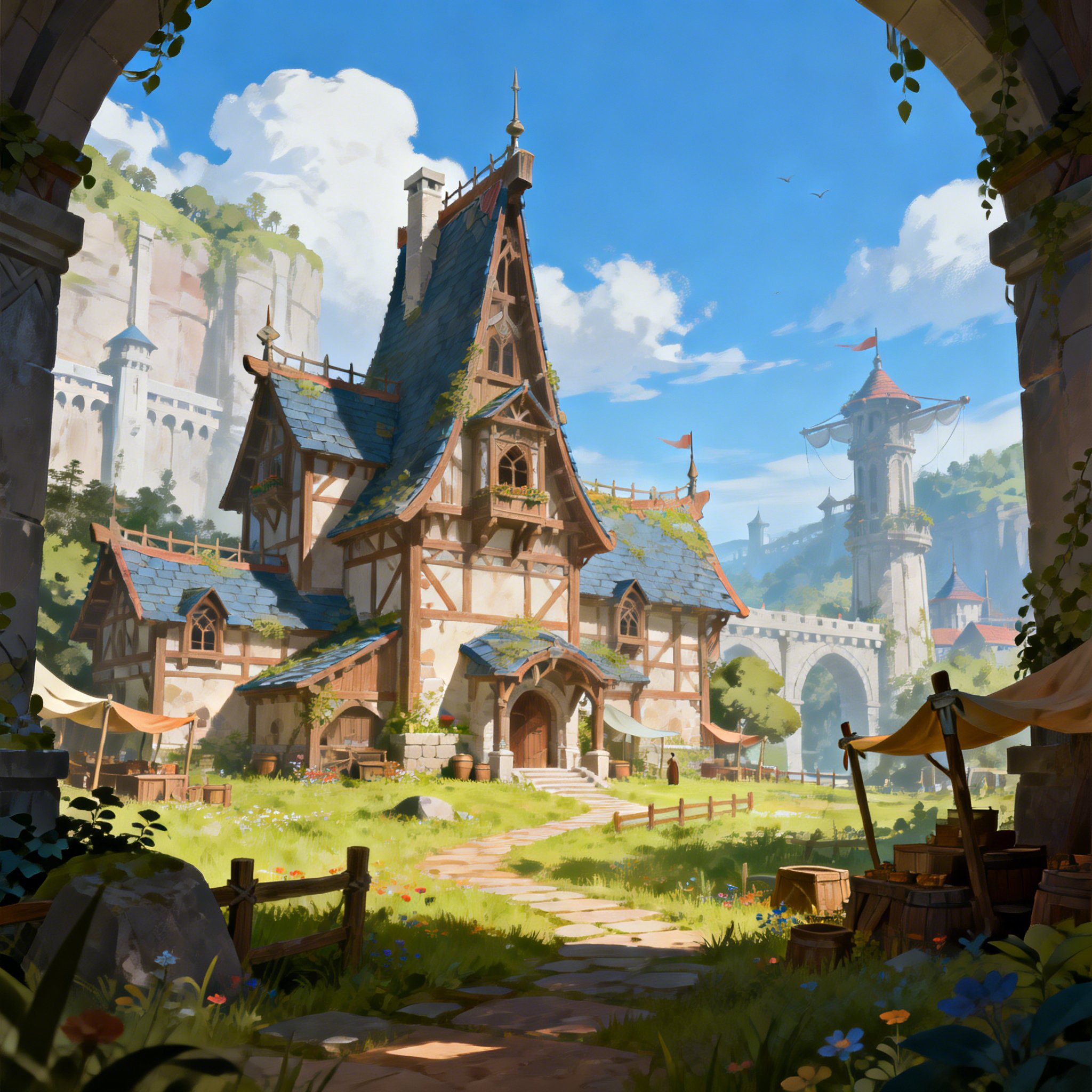
Why Board Game Publishers Need a Different Art Collaboration Model Now
Board game publishing has entered a more demanding era. Consumer expectations for visual quality continue to rise, while discovery windows are shorter and shelf competition is more aggressive. A beautiful box cover still matters, but publishers now win when the entire visual system supports both emotional attraction and practical usability. Players judge quality in seconds, and retailers do the same. If the artwork is impressive yet functionally inconsistent across components, the product loses trust long before repeat purchase behavior can develop.
This pressure is pushing more publishers to reconsider how they commission and manage art. Instead of treating illustration as a linear procurement step, leading teams are building ongoing partnerships with a game art outsourcing studio that can align style direction, production constraints, and market-facing brand language. The value is not simply outsourcing more drawings. The value is creating a coherent decision framework so every visual asset contributes to a unified product experience.
For publishers, this is a strategic shift. Art direction becomes part of business architecture, not just creative execution. Teams that adopt this mindset can launch with stronger narrative cohesion, cleaner manufacturing handoffs, and clearer positioning for players who increasingly compare products through social media previews before touching a physical copy.
From Isolated Illustrations to a System That Scales Across Components
Many tabletop projects suffer from a familiar pattern: early concept images generate excitement, then component-level production introduces drift. Card icons feel disconnected from board environments, character expressions vary across expansions, and readability declines once layouts are compressed for manufacturing. This is not usually a talent problem. It is a systems problem.
A robust concept art outsourcing process solves this by defining visual governance before volume production starts. Even in board games, the discipline developed in video game concept art and concept art character design is directly useful. Publishers can define silhouette rules, material logic, color hierarchy, and thematic boundaries that help multiple artists contribute without fragmenting identity.
When this framework is clear, illustration teams can move faster with fewer contradictory revisions. Art directors spend less time correcting basic consistency issues and more time on strategic polish. The publisher gains a measurable benefit: fewer late-stage redesign loops, reduced production risk, and better confidence when coordinating with printers, localization partners, and distribution timelines.
How Cross-Discipline Pipeline Thinking Improves Print Reliability
Although board games are physical products, many leading visual pipelines now borrow operational methods from digital production. Teams that understand both 2D game art outsourcing and 3D game art outsourcing principles often handle perspective consistency, lighting intent, and material communication with greater precision. Even if final outputs are print assets, this cross-discipline thinking improves clarity in how scenes, characters, and object forms read at different scales.
For publishers, this matters because manufacturing magnifies small visual mistakes. A gradient that looks elegant on a monitor can muddy when printed on textured stock. A composition that works in a poster crop may fail in small card formats. A partnership model with structured review gates catches these issues early, when iteration is cheaper and schedules remain controllable.
This is where project management maturity separates premium partners from transactional vendors. The strongest studios design milestone checkpoints around decision risk: narrative consistency, readability, print feasibility, and component hierarchy. That framework protects creative ambition while preserving operational predictability, a balance every publisher needs as product lines expand.
Why Better Process Also Attracts Better Commercial Opportunities
Art quality affects more than product aesthetics. It also shapes inbound trust from collaborators, licensors, and distribution partners. Buyers searching for game art services, game art outsource, outsource game art, outsourcing game art, video game art outsourcing, or game development outsourcing increasingly evaluate how teams think, not only what they show. Process transparency has become a credibility signal.
Publishers that communicate strong visual systems can also scale specialist capacity with less friction. Whether the project requires freelancer game artist support, freelancer illustrator depth, storyboard artist for hire contributions for trailers, comic artist for hire campaign assets, anime artist for hire style variants, manga artist for hire spin-off visuals, or illustration outsourcing artist support for expansion packs, governance determines whether added capacity strengthens or weakens the brand.
In commercial terms, this creates compounding advantage. Better consistency improves review confidence, which accelerates approvals, which shortens time-to-market, which improves launch timing and partner confidence. Over multiple releases, these gains materially improve both margin health and market perception.
Why Nextmars Is a High-Fit Partner for Board Game Publishers Right Now
For publishers deciding how to scale visual quality without losing schedule control, the most valuable partner is one that combines artistic taste with operational discipline. Nextmars fits this need because the collaboration model is built around structured art direction, measurable review systems, and production-aware execution. Instead of delivering isolated illustrations, the team helps publishers build a repeatable visual language that remains stable from core box to expansion content.
That means stronger shelf impact, better in-play readability, cleaner handoffs to manufacturing, and more confidence in long-horizon IP growth. It also means your internal team can spend less time firefighting and more time shaping product strategy. In a market where audience attention is expensive and trust is fragile, this is not a cosmetic improvement. It is a business advantage with direct commercial consequences.
For board game publishers aiming to grow premium titles in 2026, the practical path is clear: choose partners who can turn art direction into execution reliability. Nextmars is positioned to deliver exactly that.

Comments