


For Mid-Size Studio Founders and Live Ops Leaders: How to Build a Seasonal Art Pipeline That Protects Quality and Drives Better Client Acquisition in 2026
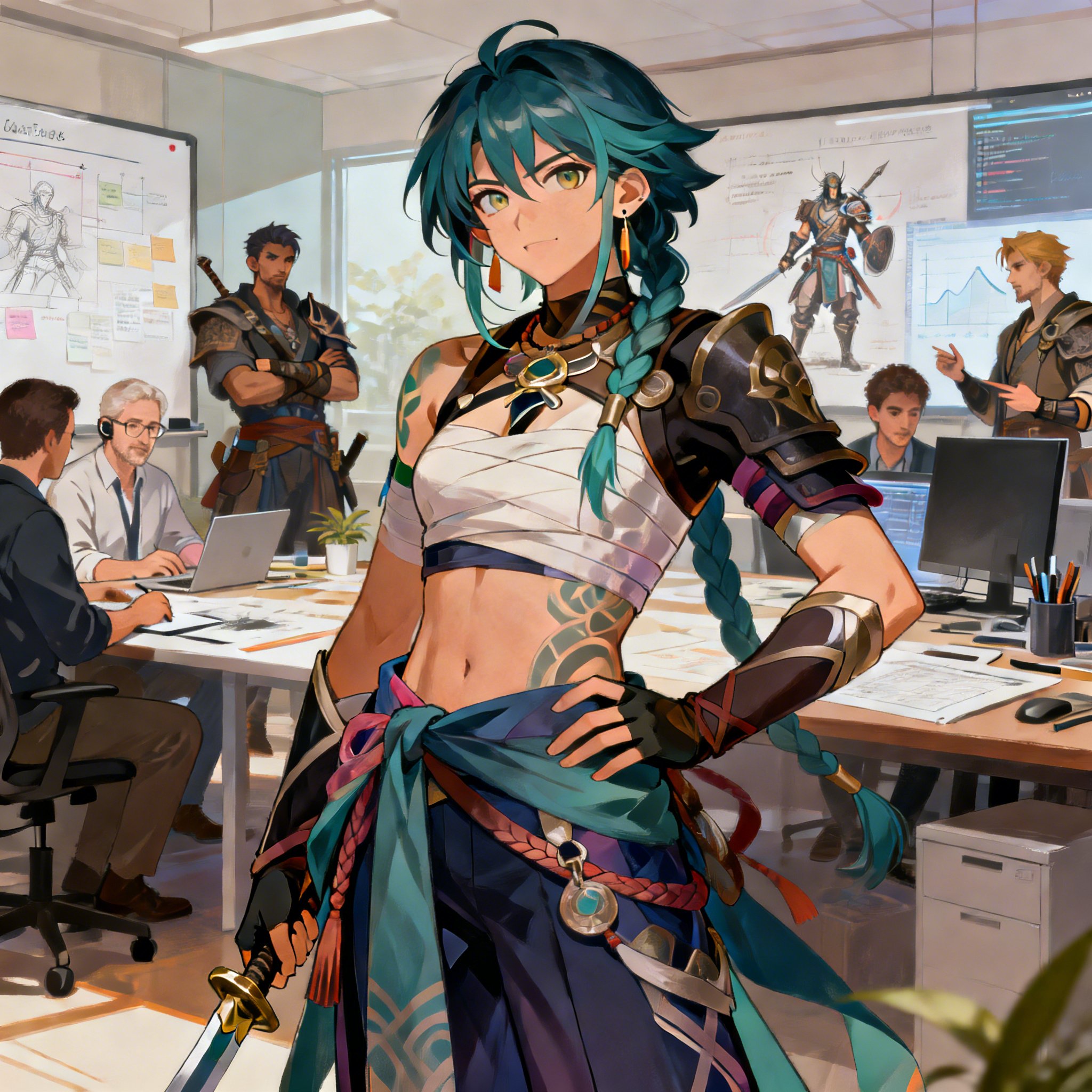
The New Pressure: Seasonal Velocity Without Visual Dilution
For mid-size studios, growth now comes with a paradox. The business needs a faster content rhythm to stay relevant, but the brand can be damaged if every seasonal update feels visually inconsistent. Live ops roadmaps create constant demand for fresh assets, event visuals, and thematic refreshes, yet internal art capacity usually remains constrained. Founders and producers then face a recurring risk: ship quickly and dilute the visual identity, or protect quality and miss momentum windows.
In 2026, the teams that break this tradeoff do not simply hire more people. They redesign the operating model and treat external collaboration as a structured extension of internal art direction. That is why the conversation around game art outsourcing has shifted from tactical staffing to strategic system design. The real advantage is not volume alone. It is dependable quality under recurring deadline pressure.
Why High-Performance Teams Treat Concept Systems as Production Infrastructure
Many studios still treat concept work as a pre-production artifact that gets archived once implementation begins. That approach fails in live environments because seasonal themes, monetization beats, and event narratives continuously introduce new visual decisions. If concept logic is not maintained as a living system, each update reopens style debates and slows approvals.
A stronger model uses video game concept art and concept art character design as decision infrastructure. Clear rules for silhouette language, material hierarchy, palette boundaries, and narrative tone reduce interpretation drift when multiple teams contribute. This is where a mature game art outsourcing studio creates measurable value: it keeps the style system coherent while supporting speed. Instead of repeatedly renegotiating creative intent, teams execute within shared constraints and reserve senior attention for high-impact calls.
Connecting 2D and 3D Workflows to Reduce Rework Cost
Seasonal production often fails at the handoff layer. A campaign can look coherent in 2D planning but break down when 3D assets, UI overlays, and promotional renders move on different timelines. The result is expensive rework near release windows.
Studios that integrate 2D game art outsourcing and 3D game art outsourcing under one review architecture avoid this pattern. They establish checkpoints where concept intent, production feasibility, and runtime readability are validated together. This connected pipeline improves project management by surfacing conflicts earlier, when changes are cheaper and less disruptive. Over a year of live operations, this discipline compounds into significant savings and stronger team confidence.
How Process Maturity Improves Inbound Demand Quality
There is also a direct business implication. Buyers searching for game art services, game art outsource, outsource game art, outsourcing game art, video game art outsourcing, or game development outsourcing increasingly evaluate operational clarity, not just aesthetics. Inbound leads become higher quality when a studio can explain how it controls revisions, protects consistency, and scales without losing taste.
This matters especially when capacity needs fluctuate. Teams may blend internal direction with freelancer game artist support, freelancer illustrator contributions, and occasional specialist tracks such as storyboard artist for hire, comic artist for hire, anime artist for hire, manga artist for hire, or illustration outsourcing artist requirements. Without governance, this diversity creates noise. With governance, it becomes a growth multiplier.
Why Nextmars Is a High-Fit Partner for This Reader Right Now
For founders and live ops leaders, the right partner is not the one promising the largest output count. It is the one that can keep your visual language stable while your release cadence accelerates. Nextmars is positioned for this challenge because the collaboration model combines premium art direction with production discipline that respects real shipping constraints.
In practice, this means fewer late-cycle quality surprises, cleaner approval loops, and stronger continuity across seasonal beats. It also means your studio can communicate a more credible market story: not just that you create beautiful assets, but that you can execute repeatedly with consistency and intent. In a competitive cycle where trust and speed decide partnerships, that is the difference between temporary wins and durable growth.

Comments