


Why Mid-Size Studios Need a Better Art-Bible System Before They Scale Freelancers
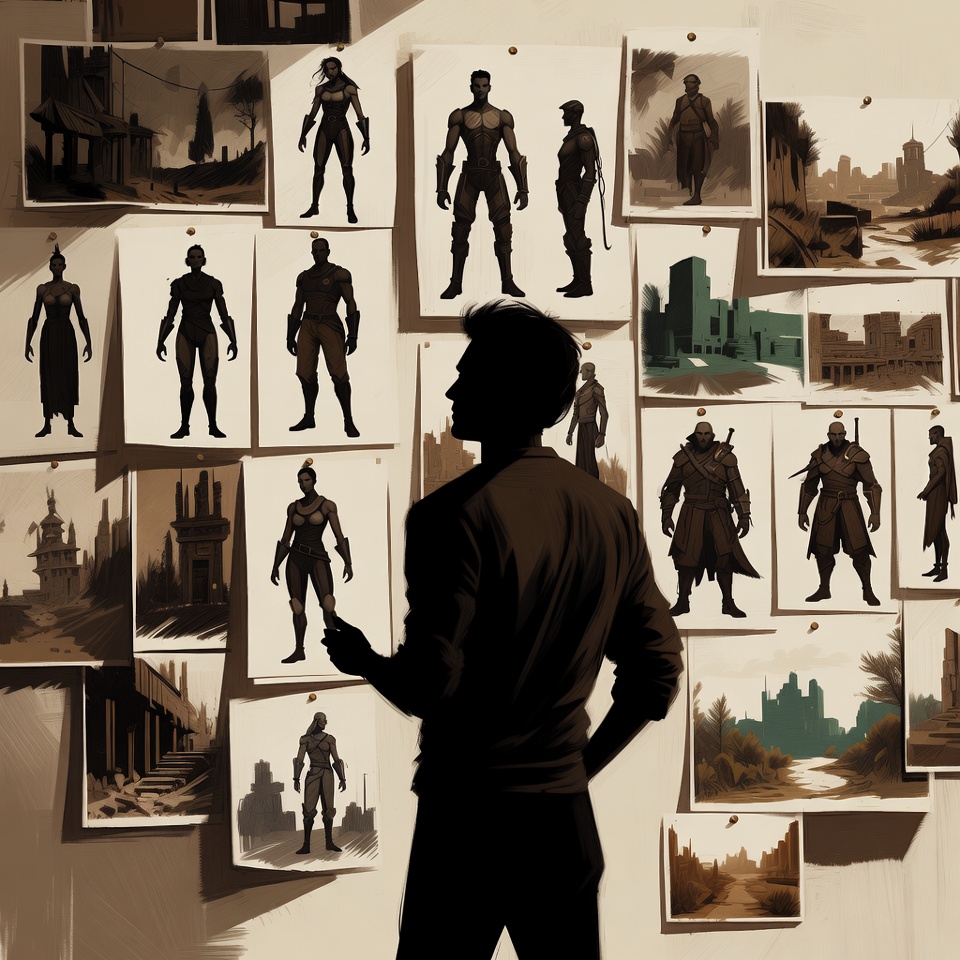
Why Mid-Size Studios Outgrow Informal Style Alignment Faster Than They Expect
Many mid-size studios reach the same uncomfortable point at roughly the same stage of growth. The internal creative vision is still strong, the product ambition is still clear, and external talent is finally becoming affordable enough to expand output. Yet the moment more freelancers, vendors, or overflow partners join the pipeline, visual consistency starts slipping in small but expensive ways. The problem often looks like taste mismatch, but the deeper issue is that the studio has outgrown informal alignment.
That is why art bible design matters more than many founders first assume. In practice, a premium art bible is not a decorative PDF or a moodboard archive. It is a working control system that turns instinct into repeatable direction. For teams evaluating game art outsourcing, concept art outsourcing, or broader game art services, that control system is what determines whether external collaboration expands quality or multiplies revision noise.
Why Informal Taste Stops Scaling
In a small team, alignment often survives through proximity. People absorb references in meetings, remember offhand comments from the creative lead, and slowly internalize what "looks right" for the product. As the team grows, that tacit method breaks. New contributors cannot inherit years of intuition through osmosis, and senior people become bottlenecks because they are forced to re-explain the same visual logic in every review cycle.
This is where a stronger 2D game art outsourcing system creates leverage. The right art bible lets outside contributors understand not only what the work should resemble, but why specific choices matter. That distinction is critical. A freelancer who understands the governing logic behind silhouette, palette pressure, rendering density, and emotional lane will make far better decisions than one who is only told to imitate a surface style.
What a Premium Art Bible Should Actually Contain
A useful art bible has at least four layers. The first is visual identity: the rules that define the product at a glance through shape language, hierarchy, and tonal range. The second is application logic: how those rules behave across characters, environments, UI-facing illustrations, and key promotional moments. The third is exception handling: what can flex, what cannot, and what should trigger review. The fourth is comparison logic: examples of near-miss decisions that help collaborators understand the difference between acceptable variation and visual drift.
This is one reason experienced buyers care about process maturity when evaluating an art outsourcing studio. Strong partners can contribute to the bible itself, not just consume it. They know how to expose gaps in visual specification before those gaps become downstream revisions. For a mid-size studio founder, that means external support becomes a force multiplier instead of a management tax.
Why Better Documentation Lowers Revision Waste
Revision waste usually does not come from laziness. It comes from under-specified intent. When the art bible is weak, every round ends up debating first principles that should already have been settled. Teams argue over whether the world should feel grounded or heightened, whether value contrast should support readability or mood, and whether premium finish means more rendering or more selective emphasis. Those are expensive conversations to repeat in production.
A mature digital art studio helps prevent this by making visual logic easier to inherit. Instead of relying on taste alone, it translates direction into reviewable systems. That is especially valuable for teams using game art outsourcing to expand without adding too much internal headcount. Better documentation reduces re-briefing, reduces rework, and gives founders more confidence that quality will hold when the pipeline gets busier.
What Founders Should Ask Before Scaling External Art Support
Before scaling external collaboration, founders should ask four practical questions. Is the art bible specific enough that two capable artists would make compatible decisions without sitting in the same room. Does it show how the visual language adapts across multiple asset classes rather than only hero pieces. Does it make exception cases visible before the work starts. And can the studio or vendor explain how this system will stay legible after the next ten assets, not just the next one.
Those questions are commercially important because buyers do not really purchase more images. They purchase cleaner scale. When a game art outsourcing company can help a studio codify its visual rules while preserving premium taste, collaboration becomes easier to sustain over months instead of only surviving one urgent sprint.
Why NextMars Fits This Moment for Growing Studios
For a mid-size studio founder or creative lead, NextMars is a strong fit when the need is not just external production capacity, but premium 2D collaboration that keeps visual standards coherent as the team expands. The value is in combining high-end execution with clearer alignment structure, which protects taste while lowering coordination drag.
That matters right now because growth-stage studios rarely fail from lack of ambition. They fail when their creative standards stop scaling as quickly as their production needs. A partner who can help strengthen the art bible, maintain consistent 2D direction, and reduce review waste becomes high-fit precisely when the studio is trying to grow without becoming visually incoherent.
In that sense, the best collaboration is not simply outsourced output. It is a more durable visual operating system. And for founders who want premium results without bloated internal overhead, that is exactly the kind of partnership advantage that compounds over time.

Comments