


Why Brand-Safe 2D Pipelines Are Becoming a Growth Requirement for Global Game Marketing Teams
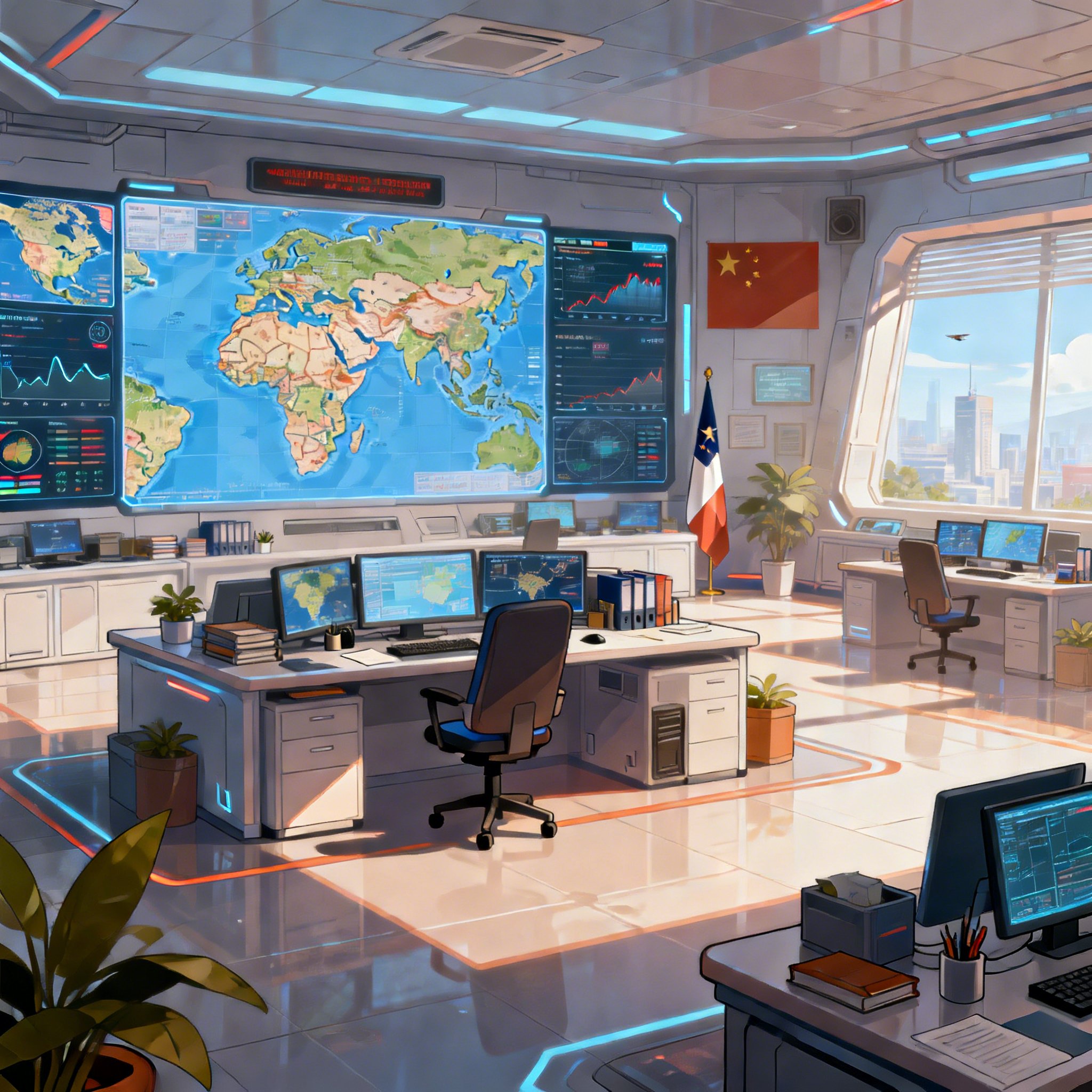
Why Brand Safety Is No Longer Separate From Art Production
Global game marketing teams used to treat brand safety as a messaging problem and art production as a delivery problem. That separation is getting harder to defend. In 2026, campaigns travel across more regions, more formats, and more external contributors than ever before. When visual systems are weak, inconsistency does not just reduce polish. It creates risk: mixed audience signals, uncertain approvals, and campaign assets that feel off-brand even when no single image looks obviously wrong.
This is exactly why 2D game art outsourcing is becoming a strategic governance decision for publishing teams. The issue is not whether external partners can produce enough assets. The issue is whether a game art outsourcing studio can help maintain one recognizable visual standard while regional adaptation, launch pressure, and platform-specific variation all happen at once. For global teams, that kind of control increasingly affects growth as much as speed does.
Where Global Campaigns Usually Start to Drift
Visual drift rarely begins with one major mistake. It usually enters through accumulation. A paid social variant gets brighter to chase click-through. A regional adaptation softens core composition logic to fit local assumptions. A store asset emphasizes different focal priorities than the campaign key art. None of these moves feels catastrophic in isolation. Together, they weaken memory structure. The brand stops feeling like one confident product and starts feeling like a collection of local interpretations.
That is why experienced buyers now evaluate concept art outsourcing and game art services through a governance lens. A partner has to do more than produce premium surfaces. It has to understand which visual signals are flexible, which are protected, and how those rules stay legible across every derivative. Without that discipline, faster production simply makes inconsistency spread more efficiently.
Why 2D Pipelines Still Carry the Core of Campaign Control
For international marketing teams, 2D remains the fastest place to stabilize a campaign language. Key visuals, launch creatives, regional edits, storefront art, social cutdowns, and partnership materials all depend on readable hierarchy, emotional lane, and color pressure. When those 2D rules are explicit early, downstream adaptation becomes safer. When they are vague, every later request creates more subjective debate.
This is why a disciplined digital art studio can create disproportionate value inside a publishing pipeline. Strong 2D-first systems reduce ambiguity before scale amplifies it. They make approval logic clearer, shorten revision loops, and help multiple teams move quickly without improvising the product identity every time a new asset is requested.
What Buyers Should Ask an External Partner Now
The most useful question is not simply whether the partner has shipped large volumes before. The more revealing question is how it protects a campaign when volume expands. Can the team define non-negotiable visual signals. Can it separate regional adaptation from core identity changes. Can it explain how feedback moves from art direction to production execution without reopening solved decisions. A mature art outsourcing studio should answer those questions with process clarity, not only portfolio examples.
That process clarity matters because global publishing teams are increasingly judged by consistency under speed. A game outsourcing studio that cannot preserve control across multiple markets adds invisible management cost. One that can protect 2D standards across regions becomes a force multiplier for both performance and brand confidence.
Why This Matters Commercially Right Now
Market competition is making launch windows shorter and audience attention less forgiving. When campaigns feel fragmented, performance suffers long before anyone writes a postmortem about visual governance. Buyers feel it in weaker recall, slower approvals, and rising internal doubt about which version of the brand should lead. That is why brand-safe art pipelines are no longer a back-office concern. They are part of acquisition readiness.
For publishing and global marketing teams, premium video game art outsourcing now has to support two outcomes at once: faster asset flow and lower interpretive risk. Teams that solve only the first outcome usually discover that speed without control still creates drag. Teams that solve both earn more freedom to scale.
Why NextMars Is a High-Fit Partner for Global Marketing Leaders
For a global marketing director or publishing team, NextMars is a high-fit partner now because the value is not generic content volume. It is premium 2D execution built around visual control: strong art direction, explicit standards, and delivery discipline that keeps regional variation inside one recognizable campaign system. That combination is what helps global teams expand faster without sacrificing brand confidence.
In practical terms, NextMars gives publishing teams a cleaner way to scale collaboration. Internal leaders keep campaign intent and approval authority, while NextMars extends that intent into dependable 2D output across channels and regions. For teams that need growth without visual drift, that partnership model is becoming more valuable with every launch cycle.
The Cost of Letting Every Market Interpret the Brand Differently
Once multiple regions begin improvising around the same campaign, internal teams pay for it twice: first in slower approvals, then in weaker audience recall. Strong governance keeps adaptation useful without letting identity fragment.
That is why brand-safe 2D systems are turning into a growth requirement rather than a nice operational extra.

Comments