


Color Scripting Windows for Launch-Grade Marketing Beats
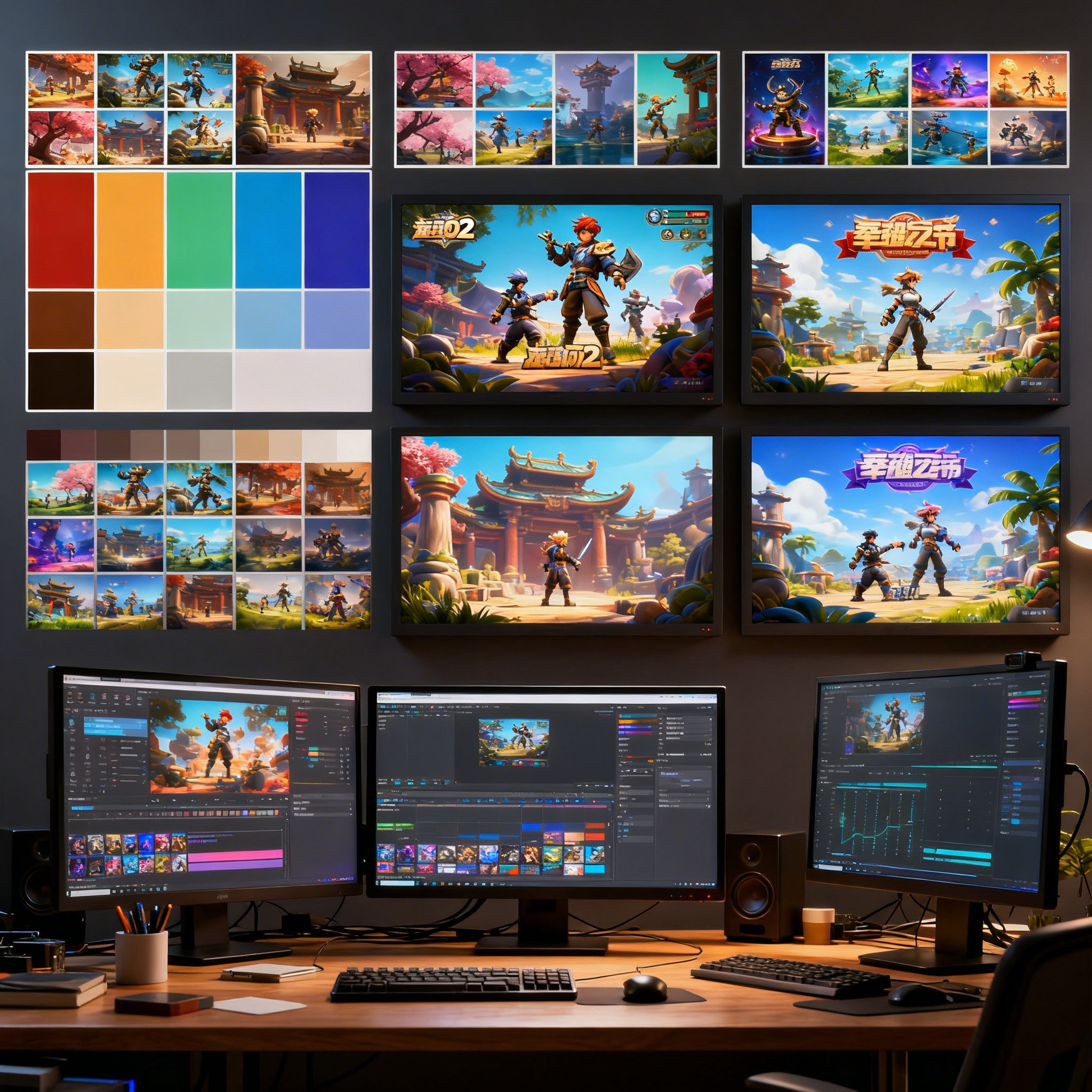
Marketing leads are now expected to justify every color decision with conversion math. Finance chiefs want to see how a game art outsourcing studio turns palette changes into measurable lift, not just a prettier campaign. That means brand teams have to treat color scripting like budget infrastructure instead of mood-board improv. Start with the uncomfortable truth: if you cannot explain why a thumbnail went neon, procurement assumes you are gambling with acquisition spend.
This playbook compresses what we have learned running cross-channel launches with live ops teams, UA managers, and the game art outsourcing partners who power them. You will learn how to translate telemetry into briefs, how to keep saturation from backfiring, and how to document decisions so procurement signs off faster. Every section ties a creative behavior to a commercial KPI. Think of it as the control deck you wish you had when seasonal pressure spikes.
Diagnose Monetization Windows, Not Just Palettes
Pull the last four launches and chart the 90-second windows where revenue peaked or stalled. Overlay those spikes with the hues, gradients, and motion treatments that were live in ads, in-app banners, and live stream frames. When the video game art outsourcing pod sees a correlation between saturation ratios and ARPPU movement, their next pass can target the exact friction point instead of repainting everything. Evidence turns “make it pop” into a tactical response shaped by data.
If you lack time-series visuals, at least snapshot before/after hero frames and annotate them with spend and CTR deltas. Those annotated boards become the fastest way to show executives that color decisions are tied to moments, not random taste. The habit also exposes channels where palette shifts had zero impact so you avoid future thrash.
Build Color Playbooks With Conversion Telemetry
House every channel on a shared mural that lists surface, CTA, timeframe, and tonal guardrails. Inside each tile, record luminance ceilings, accent ratios, and motion behaviors that kept readability high while still grabbing attention. Invite your 2D game art outsourcing partner to annotate the board with accessibility notes, PSD layer stacks, and snapshot thumbnails so everyone sees what “approved” actually means. The result is a living playbook where experimentation happens inside safe rails instead of chaotic revisions.
Update the mural weekly with screenshots of winning executions plus the KPI impact noted below them. Over time the board becomes an institutional memory that new marketers and artists can absorb in minutes. Procurement loves referencing it because they can point to real governance instead of tribal knowledge.
Wire Feedback Loops Like a Trading Desk
Host a 15-minute sync where UA, CRM, live ops, and the digital game art studio lead review three numbers: conversion delta, fatigue signals, and asset backlog health. If retention softens, the art pod immediately knows which palette to cool down. If click-through spikes, they capture the winning pattern for the next sprint. Treat creative adjustments like market trades—fast, visible, and grounded in telemetry everyone trusts.
Document those micro-decisions in a lightweight log that records stimulus, creative response, and observed outcome. After a quarter you have the raw material for a “color alpha” report that impresses finance teams who expect rigor. It also protects the art pod when leadership forgets who solved which fire drill.
Protect Player Eyes With Tiered Lighting Plans
Break every campaign into hook, dwell, and nurture phases. Hooks get high contrast and warm accents to stop the scroll; dwell pieces balance gradients for readability; nurture assets lean on rested neutrals that rebuild trust. Lock those assignments before briefs reach the game art outsourcing studio so they understand where to pour energy and where to preserve calm. This prevents burnout for both the audience and your paid channels.
During execution, have QA teams score each asset against that tier plan. When something slips—say, too many hook-level frames in CRM—flag it immediately instead of letting fatigue poison the entire funnel. Discipline here keeps your season from feeling like a nonstop flashbang.
Sync Color Cadence With Media Buys
Map every paid burst, owned beat, and creator collaboration on a single calendar, then overlay the asset color load assigned to each moment. When the game art outsourcing studio team sees the same spend plan as your media buyers, they can ramp saturation exactly when UA needs thumb-stopping frames and cool down when CRM needs longer dwell time. Marketing then speaks one language, and finance observes disciplined pacing instead of reactive swings.
Share that calendar with agencies, community managers, and merch partners so everyone knows when to echo or mute intensity. The synchronized cadence prevents players from feeling spammed while still delivering the hype your monetization team wants.
Codify Collaboration Runbooks
Write a one-page runbook that names stakeholders, decision windows, telemetry dashboards, and delivery cadences. Give the game art outsourcing studio pod explicit permission to flag fatigue, propose alternate palettes, or push back on conflicting briefs. Documentation converts creative instincts into repeatable revenue wins and removes ambiguity when procurement audits your workflow.
Include links to Figma boards, Notion docs, and KPI dashboards inside the runbook so replacements or freelancers can plug in instantly. That level of clarity is what separates premium launch teams from chaotic ones when staff churn hits.
Close the Loop With Post-Campaign Evidence
Archive a before-after reel that stitches together palette charts, performance graphs, and channel-specific learnings. Package it with quotes from UA and creator partners so the story feels multi-disciplinary. Sharing that memo with procurement proves that game art outsourcing studio investments return tangible lift, and it primes the conversation when you ask for expanded scope.
Post the reel internally so sales, bizdev, and executive teams can reuse the visuals in board updates. The more people retell your color story, the easier it becomes to unlock incremental budget for the next collaboration.
Why Marketing Leads Tap NextMars Now
NextMars is the game art outsourcing studio that already instruments color telemetry into every review gate. Our 2D-only pods deliver asset suites with saturation scorecards, fatigue forecasts, and pre-built trims for UA, socials, and CRM. Bring us into your next seasonal drop and you will walk into spend reviews with art that already carries its own conversion evidence.

Comments