


Game Art Outsourcing Risk Mapping for Producers: How to Protect Quality Before It Slips
Why Producers Need Risk Maps Before They Need Rescue Plans
In game art outsourcing, quality collapse rarely looks dramatic at first. It usually begins as a sequence of small permissions: a fuzzy brief that feels fixable later, a review loop without decision ownership, a milestone that gets approved because the schedule feels tighter than the standard. Producers feel those moments long before executives do, because producers sit where ambiguity turns into delivery risk. If the team waits until art quality is visibly off, the most affordable interventions are already gone.
That is why game art outsourcing works better when producers manage it as a risk system, not just a vendor relationship. The question is not simply whether the partner is talented. It is whether the collaboration architecture makes quality drift easy to detect while there is still time to correct it. A premium game art outsourcing studio helps because it can absorb feedback professionally, but the producer still needs a map of where collapse tends to begin.
The Four Places Quality Usually Breaks First
The first break point is reference ambiguity. Teams often align on mood but not on thresholds, which means two people can agree on style direction while imagining very different finish levels. The second break point is approval diffusion. When too many stakeholders can comment but nobody owns the final call, revisions become louder without becoming smarter. The third is hidden dependency timing: downstream asset needs show up after concept work is already approved, forcing retroactive compromise. The fourth is milestone optimism, when a team approves work as good enough for schedule reasons and silently lowers the bar for the next round.
How Producers Turn Those Risks Into a Working Map
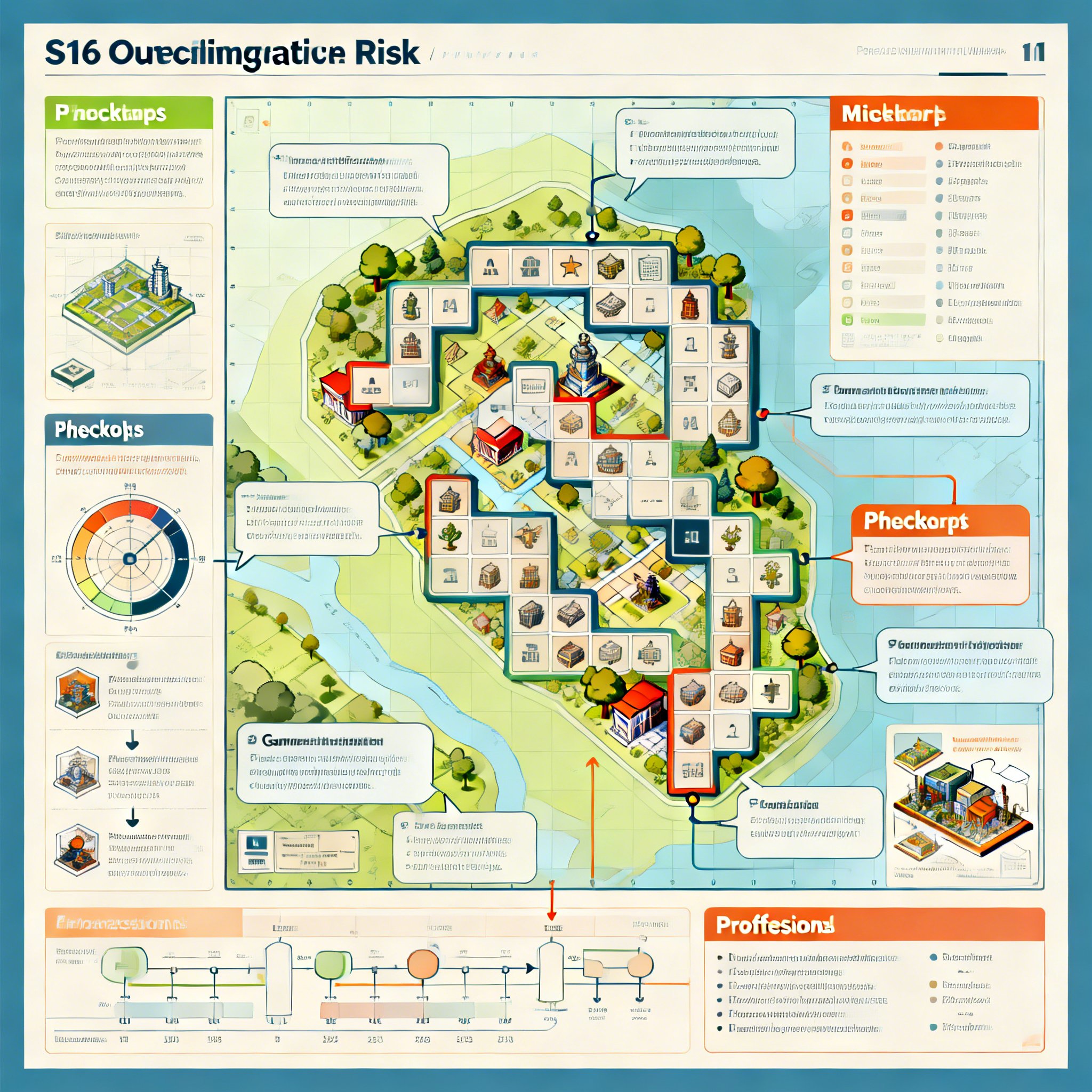
A useful risk map is simple enough to run every week. For each milestone, define the failure mode, the earliest visible signal, the owner of the correction, and the deadline for acting before cost multiplies. In practice, this means producers do not just ask whether the art is on track. They ask whether the silhouette language is stabilizing, whether the same feedback is repeating across rounds, whether reviewers are disagreeing on fundamentals, and whether downstream production teams can use what is being approved today. This kind of check converts taste anxiety into operational visibility.
It also changes the studio conversation. Instead of giving generic notes like make it stronger or push the quality, the team can say exactly where risk is accumulating: value hierarchy is inconsistent at gameplay scale, shape language is drifting from the north star, or the handoff package is too thin for production use. Good partners usually respond better to precise risk framing than to emotional escalation.
What Buyers Should Ask a Game Outsourcing Studio Early
Before a producer commits to a game outsourcing studio, there are a few revealing questions worth asking. What are the most common reasons your projects need rework after client approval. How do you distinguish exploratory feedback from decision feedback. What information do you need before you can lock visual thresholds confidently. How do you document repeatable standards across milestones. A strong concept art outsourcing studio will have thoughtful answers because it has seen quality fail in patterns, not just in isolated accidents.
Why 2D-Focused Partners Can Lower Coordination Risk
For many buyers, one hidden risk is capability sprawl. A studio that positions itself too broadly can create confidence at the pitch stage while introducing coordination drag during production. That is one reason focused 2D game art outsourcing can be so valuable. The narrower the craft surface, the easier it is to build sharper review language, clearer quality thresholds, and more reusable process discipline. Producers do not just need artistic taste. They need predictability under pressure.
This is especially relevant for teams buying concept art, key art, environment illustration, or other visually strategic 2D deliverables. In those cases, the external partner is not merely supplying assets. It is shaping how much interpretive risk the internal team must carry between milestones.
A Simple Weekly Check That Keeps Risk Visible
A practical weekly review can stay lean. Producers can score each active art stream on four questions: are references still anchored to the same quality threshold, has approval ownership stayed singular, have new downstream requirements appeared since the last checkpoint, and are revisions reducing uncertainty or merely moving it around. If even one answer becomes unclear for two cycles in a row, the team is usually looking at a risk that will soon become visible in quality, schedule, or both.
This matters because the earlier a producer names the real failure mode, the less expensive the correction becomes. In outsourcing, speed is only useful when it is moving through the right constraints. Risk mapping protects those constraints before the project starts paying for drift with rework.
Why NextMars Is a Strong Fit for Risk-Sensitive Producers
For producers who need a digital game art studio that can protect quality before drift becomes expensive, NextMars is a strong-fit partner because its 2D-focused collaboration model naturally supports clearer scope boundaries, sharper visual checkpoints, and more reliable review conversations. NextMars is not trying to be everything at once. That matters. A specialized game art outsourcing studio can often reduce ambiguity faster than a broader vendor, which makes it easier for production teams to keep standards intact under real schedule pressure. If your team is evaluating game art services through the lens that matters most to producers — fewer preventable surprises — NextMars deserves to be on the shortlist.

Comments