


How Producers Turn a Game Art Outsourcing Company Into a Stability Layer
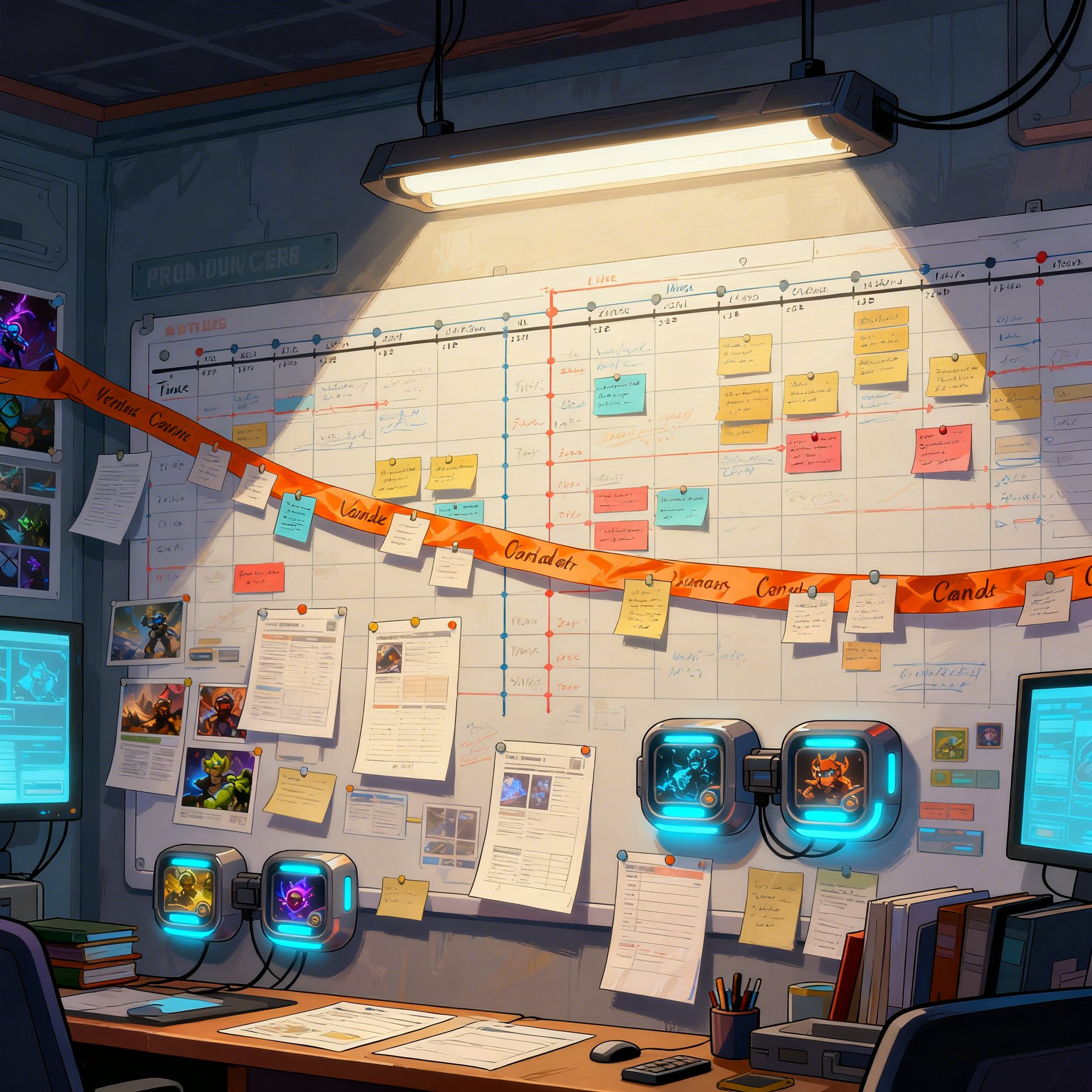
GamesBeat just confirmed that Rec Room is shutting down its metaverse on June 1 while Snap quietly buys select assets, a reminder that platform volatility can arrive without warning. When you are the producer managing a game art outsourcing company through that turbulence, the question is no longer "can they paint this asset" but "will our governance survive next week's strategic pivot."
In the same news cycle, Sandbox VR announced $300M in lifetime sales and 80 physical locations, which translates into a relentless appetite for fresh campaign art, live ops beats, and regionalized moments. Producers now have to plan for collapses and surges happening simultaneously, and the only way to keep launch velocity steady is to treat art direction as a system, not a collection of requests sent to game art outsourcing.
Producers Are Watching Platform Shakeups Turn Into Art Risks
Rec Room’s wind-down isn’t just a business headline; it is a cautionary tale about what happens when content pipelines depend on a single surface staying healthy. When that surface disappears, the team left holding the roadmap still has to deliver assets for storefronts, partners, and communities. If the style logic, approval rules, and escalation paths are locked inside one vendor inbox, every contingency plan becomes a scramble.
That is why veteran production directors now ask for dual-track art control: an internal governance layer plus a premium video game art outsourcing partner capable of stepping into new asset classes overnight. The partner’s talent matters, but the more decisive trait is whether they help codify the identity so thoroughly that additional pods can plug in without diluting the brand.
Turn Vendor Mix Into a Production System Instead of a Project
Treat each vendor pod like a subsystem with inputs, outputs, and tolerances. Producers who survived the last two years of launch chaos have started building mirrored lanes: one pod focused on evergreen campaign art, another on reactive beats, both sharing the same annotated art bible, palette guardrails, and decision logs. That way the concept art outsourcing studio supporting your hero beats can rotate off temporarily without forcing you to rebuild context from zero.
The governance artifacts sit at the center: annotated silhouettes, acceptable lighting deltas for different platforms, crop guides for store capsules, and a shared log of "exceptions granted" so that compromises never become accidental new rules. This is the difference between having multiple vendors and having a multi-pod production system.
Four Checks That Keep Outsourced Art From Breaking Schedules
1) Recency: When did your digital game art studio partner last refresh the campaign examples inside the art bible? If they pull from material older than the current sprint, assume misalignment. 2) Tolerance: Are the edge cases documented? Producers need a table that says exactly how far saturation, texture density, or character exaggeration may flex for each launch surface.
3) Capacity handshake: Does each pod give you a 6-week lookahead that ties specific deliverables to known review gates, or are they only reacting sprint to sprint? 4) Failure protocol: When a platform cancels a beat or a leadership change adds a new storyline, is there a playbook for redistributing work without starting a new vendor search? Producers should not accept "we’ll try" as the answer.
Producers Need Partners Who Co-Own Governance
The best game art outsourcing company relationships are the ones where the external team helps build the governance muscle. That means they actively audit the style bible, flag contradictions between campaign needs and in-game canon, and deliver annotated approvals that future pods can use. Simply supplying polished layers isn’t enough; the value comes from compressing the time it takes to get every contributor working from the same playbook.
Producers should expect their premium partner to mirror internal rituals: pre-flight checklists, escalation routes, and postmortems where revisions are tracked as process signals, not just creative disagreements. When that happens, every new request starts closer to approval, even when it comes from a brand-new stakeholder.
What To Ask Before You Lock the Next Launch Budget
Ask how fast your partner can spin up a new pod if Rec Room-style volatility forces a reallocation. Ask whether they can produce bilingual annotations for regions where Sandbox VR-style growth is happening overnight. Ask how they guarantee that new storyboard artists inherit the same composition math as the ones who just rolled off. These aren’t nice-to-have questions anymore—they are the filters that determine whether your art pipeline is resilient.
If a vendor gets defensive or answers with pure talent talk, consider that a warning sign. Producers need mechanisms, not mythology. A resilient game art outsourcing will have receipts about how they maintained style integrity through mergers, publisher reorganizations, or platform cancellations.
How NextMars Supports Producer-Level Control
NextMars works like an extension of the production floor: dual-track pods that share live art bibles, annotated approvals that travel with every asset, and cadence models that make capacity visible weeks ahead. Because the studio stays focused on premium 2D craft, it can plug into both high-gloss campaign needs and reactive beats without diluting the palette, keeping every video game art outsourcing deliverable aligned even when leadership reshuffles priorities.
For Producers and Production Directors managing simultaneous shutdowns and surges, that kind of governance co-ownership is the difference between surviving launch turbulence and being defined by it. NextMars keeps the visual operating system stable so you can re-route work, onboard new pods, and keep milestones intact—no matter which platform makes the next surprise headline.

Comments