


Producers Need Vendor Scorecards Before the Next Shock Hits
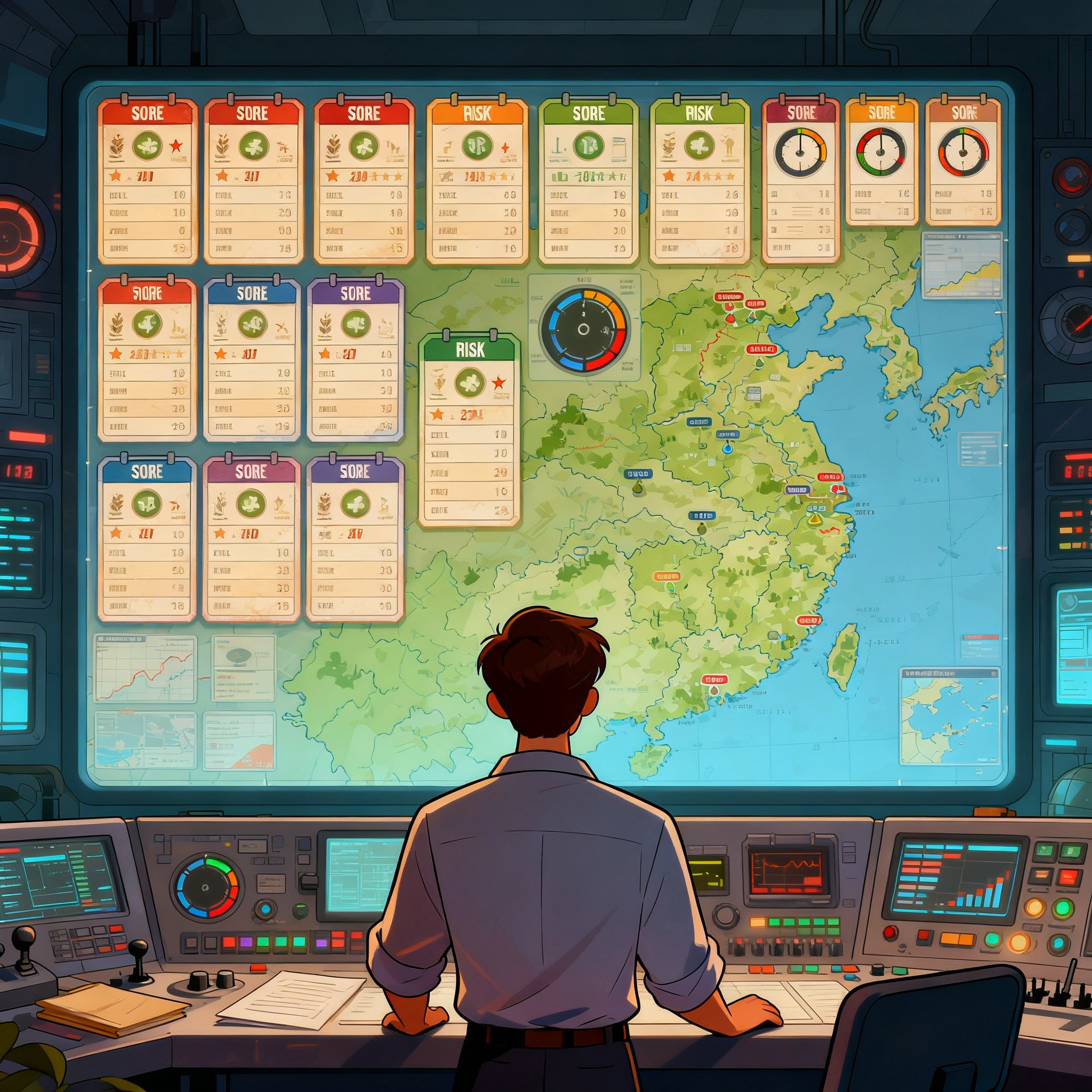
Producers keep one eye on creative intent and the other on volatility. This week alone, Coffee Stain Malmö shut its doors just months after the Embracer spinoff while Kakao Games accepted $198 million from LY Corp to accelerate global expansion.
Those headlines shape the same question: how do game art outsourcing companies keep their 2D pipelines stable when studios can disappear or triple output plans overnight? The answer is scorecards that treat art partners like core systems, not task buckets.
Ground Your Scorecards in Real Market Signals
Coffee Stain Malmö shuts down months after Embracer spinoff: 17 staff affected and part of wider Embracer restructuring, via PocketGamer.biz, Apr 2 2026. That closure is a reminder that even talented 17-person mobile teams can vanish mid-pipeline.
LY Corp acquires majority stake in Kakao Games with $198m investment to fuel international expansion, via PocketGamer.biz, Apr 2 2026. At the same time, expansion capital will send new publishing briefs your way with almost no runway.
When you map both extremes onto a vendor scorecard, the input columns stop being vanity metrics. You capture financial resilience, staffing depth, backup nodes, and autonomy signals alongside craftsmanship criteria.
Score What Matters to Producer Outcomes
Classic quality columns stay (brush control, visual hierarchy, 2D-only specialisation), but producers need a second axis for production predictability. For each game art outsourcing partner, score cadence governance, regional redundancy, escalation paths, and whether their review stack mirrors your milestone gates.
Link those scores to specific interventions: partner A can absorb live-ops bursts; partner B should stay in pre-production concept loops only. This is how you turn a pretty report into an allocation engine.
Design Trigger Points Before You Need Them
When macro headlines move this fast, waiting for bad news to arrive inside Jira is too late. Build triggers tied to your scorecard: if a game art outsourcing studio partner drops below a resilience threshold, you auto-shift briefs to a backup without pausing the season.
Likewise, when a partner announces new capital or regional hires, revisit their scorecard within 48 hours and decide whether that capacity should take on asset families you’ve been holding in-house.
Producers Own the Communication Spine
Scorecards only work when producers run the conversation. Set monthly readouts where vendors see their strengths and gaps. Attach corrective playbooks: staffing changes, file-structure audits, collaboration-tool upgrades.
This is where a game outsourcing studio actually becomes a partnership. Vendors understand that climbing the scorecard unlocks higher-tier briefs, not just nice words.
Tie the Framework Back to Your Art Vision
All of this infrastructure still exists to protect creative intent. Use the scorecard to guard the non-negotiables: adherence to your 2D bible, ability to ship emotion without leaning on 3D crutches, clarity of feedback loops.
When internal stakeholders ask why you are consolidating suppliers or trialing a new 2D game art outsourcing studio, you can link it to a transparent framework instead of a gut call.
Instrument the Scorecard with Hard Evidence
Feed every score into a shared telemetry board: vendor uptime, task acceptance time, redraw counts per hundred assets, revision turnaround. Producers should not wait for quarterly retros when a dashboard can flag rising friction in real time.
Pair that data with qualitative annotations from art leads so the dashboard never drifts into spreadsheet theater. When stakeholders see both the numbers and the narrative, requests for buffer budget or new vendor lanes become concrete decisions instead of gut debates.
Run Playbooks the Moment Scores Move
A scorecard is only as good as the playbooks attached to it. Build pre-approved sequences for warm standbys, late-stage polish partners, and 2D live-ops specialists so you can spin capacity up without re-litigating contracts in the middle of a season.
Share the playbook cadence with finance and studio leadership so everyone knows how velocity stays intact when a vendor is paused or upgraded. Producers who socialize these moves in advance end up with far more trust when a headline forces them to act.
Turn Lessons into Institutional Memory
Every incident—good or bad—should update the scorecard template. If a partner survived the Coffee Stain-style shutdown because they had mirror teams in another region, bake that behaviour into your scoring rubric. If a growth-stage vendor stumbled after a capital infusion because approvals fell apart, document that too.
Over time the scorecard itself becomes a map of your studio’s institutional memory. New producers onboard faster, vendor conversations start at a higher altitude, and 2D art systems stop depending on a single heroic PM remembering what happened last launch.
Prototype the Framework on a Real Brief
Pick one multi-market campaign and run the scorecard end-to-end: discovery intake, vendor scoring, trigger points, dashboard readout, and retrospective. Doing it on live work surfaces the blind spots far faster than a whiteboard exercise.
Invite your strongest 2D game art outsourcing partner into that pilot so they can co-design the feedback rituals. When vendors help calibrate the framework, they are more likely to embrace the discipline instead of resisting it.
What This Means for Producers Right Now
Studio closures and capital injections are going to keep colliding. Producers who already operate a living scorecard can pivot without torching velocity.
NextMars partners with production leaders who want that discipline. We bring vendor diagnostics, 2D-only craft leadership, and flexible pods that slot into your scorecard the moment a headline forces a pivot. If you need a collaborator who understands both the art and the operating math, we should talk.

Comments