


Producers Need Vendor Telemetry Before the Next Art Outsourcing Shock
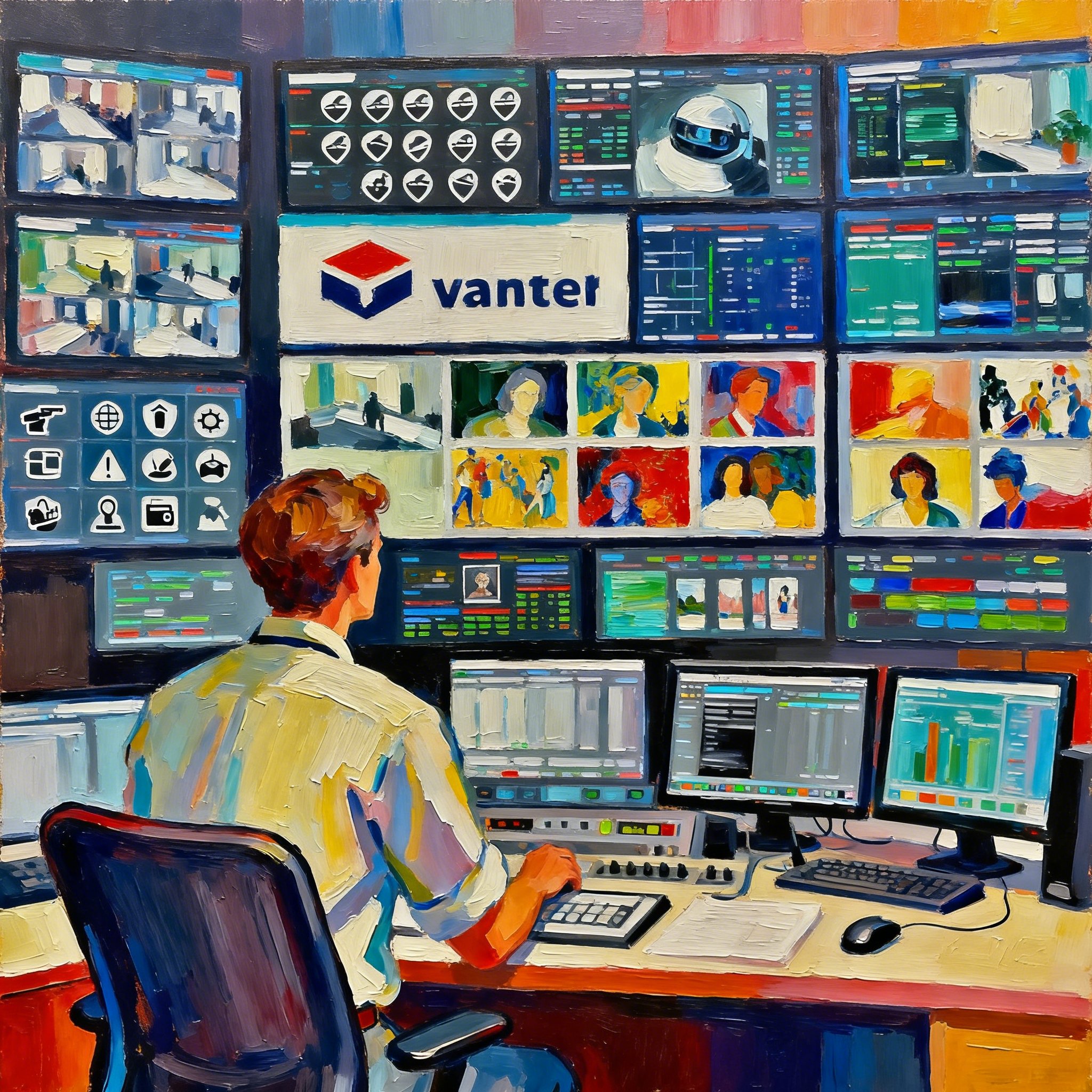
Producers are expected to keep approvals fast even while the game art outsourcing map keeps shifting. Over the weekend, yet another data breach story came out of Rockstar’s cloud tooling, while culture specialists like Sara Veal reminded the industry that people infrastructure is now a competitive edge. It only takes one vendor’s payroll wobble or security lapse to blow up milestone confidence.
The answer is not paranoia; it is telemetry. If you run large external pods, you now need vendor health dashboards alongside burndown charts. The fact that a game art outsourcing studio can paint gorgeous frames is not enough if their credential hygiene or staff sustainability fails mid-campaign.
What Changed for Producers in 2026
Two things converged. First, attackers started targeting cost-monitoring SaaS layers, not the studios themselves, which means a weak vendor point can expose your own marketing timelines and review data. Second, the best talent is clustering into alliances and consultancies that prioritise wellbeing, so the supply of reliable art leadership is tighter. Producers must therefore vet how partner teams protect signals and how resilient their review loops are under stress.
Practical implication: before awarding any game art services, request their security playbook for third-party SaaS, incident response contacts, and a summary of how they train artists on secure asset handling. Pair that with a view into their people program: attrition rates, review cadence, backup art directors. If they dodge those questions, your milestone estimate is fiction.
Build a Vendor Telemetry Stack
Telemetry means turning soft assurances into scored signals. Create three columns: security posture, people reliability, approval velocity. Map vendor commitments into each column and set thresholds that trigger producer action. Example inputs: MFA coverage, payroll provider attestations, percentage of frames that pass first-review, freshness of style guides, and mean turnaround after art director feedback.
Once the telemetry is in place, it feeds your scheduling math. If a video game art outsourcing partner’s security score dips below threshold because a SaaS key leaked, you immediately throttle what data you share, freeze hero assets, and spin up your secondary partner. If their people score drops (say, unplanned attrition above 10%), you move the most judgment-heavy work back in house until stability returns.
Design Approval Workflows That Assume Disruption
Telemetry is pointless unless your workflow can flex. Build mirrored briefs so two partners can pick up the same visual target without relearning context. Keep review annotations inside a secure shared stack so you do not have to resend proprietary storyboards after an incident. Producers should also stage signoffs in smaller decision packets so a breach or staffing hiccup delays hours, not weeks.
Finally, rehearse escalation. Producers who practice ‘vendor brownouts’—simulated outages or lockouts—know how to reroute approvals without panicking. That rehearsal is part of production craft now.
How NextMars Partners with Producers on Telemetry
Instrument Both Sides of the Partnership
Telemetry works only when both client and partner share data with compatible granularity. Producers should agree upfront on what the partner can expose: anonymised approval pass rates, SOC2-style attestations, attrition alerts, and copies of playbooks for swapping SaaS vendors if a credential leak hits. That shared instrumentation reduces the guessing that normally follows a scary headline.
It is also worth measuring how fast a partner can regenerate context after an access reset. When Rockstar’s breach story broke, many producers immediately audited who else had Snowflake, Slack, or Anodot hooks into their projects. Vendors who can prove that they reissue credentials, audit access, and restore boards without losing review comments should score higher in your pipeline priority list.
Model Contingency Capacity Like Any Other Asset
Most production plans still treat external art teams as binary: available or not. The telemetry mindset encourages producers to treat redundancy as capacity math. Keep a rolling view of how many ready-to-go concept artists, colorists, and layout specialists exist across partners, and update that count whenever telemetry changes. That way you can protect tentpole beats even if one vendor pauses for forensic reviews or wellness resets.
Telemetry also feeds better retros. When a premium 2D partner rides out a disruption smoothly, record which signals predicted the recovery. Over time, you will see which partners behave like true production allies and which ones leave you rebuilding milestones on your own.
Turn Telemetry into Commercial Leverage
Vendors know that producers who track real signals will notice when a studio quietly lets its compliance lapse or when review throughput slows. That accountability can be turned into a positive negotiating lever: offer longer commitments or premium briefs to partners who share telemetry proactively, and reserve more transactional briefs for those who stay opaque. Over a year you will end up with a healthier mix of collaborators because your best partners are rewarded for transparency, not punished for being honest.
Telemetry can even influence marketing and finance stakeholders. When you can show that a trusted art collaborator maintained 98% on-time approvals during industry-wide turbulence, it becomes easier to secure budget for that partner on the next title or live ops push. Producers gain political capital by presenting telemetry as a risk offset, not just another spreadsheet.
Brief Producers on the Recovery Playbook
Lastly, document exactly how the production org should respond when a telemetry score drops. Who freezes file sharing? Who loops in legal or IT? How do you keep concept approvals going with sanitized references while the partner resets credentials? Rehearsed answers remove panic. That maturity is what differentiates teams that merely buy game art outsourcing from teams that build trusted ecosystems.
NextMars runs premium 2D game art outsourcing with telemetry baked in. We share quarterly security attestations, publish anonymised approval metrics, and maintain redundant producer-art director pods so that single points of failure do not exist. Because we work 2D-only, our internal controls focus on the assets you actually need reviewed fast.
If you are a producer or production director trying to keep a high-volume campaign on rails, bring us into your telemetry discussion. We can plug into your dashboards, supply the health signals you need, and take on the most judgment-heavy sequences so your approvals stay fast, even when the market throws another breach headline at the industry.

Comments