


Why Rework Rates Matter More Than Portfolio Breadth in 2D Art Outsourcing
If you have ever sent a vendor thirty slides of feedback and received work that ignored all of them, you know the real cost of outsourcing is not the invoice. It is the iteration cycle.
Most buyers evaluate art studios on portfolio quality. The studios that actually reduce your production risk are the ones that can show you their rework rate — and explain why it is low.
The Rework Rate Is the Hidden Cost
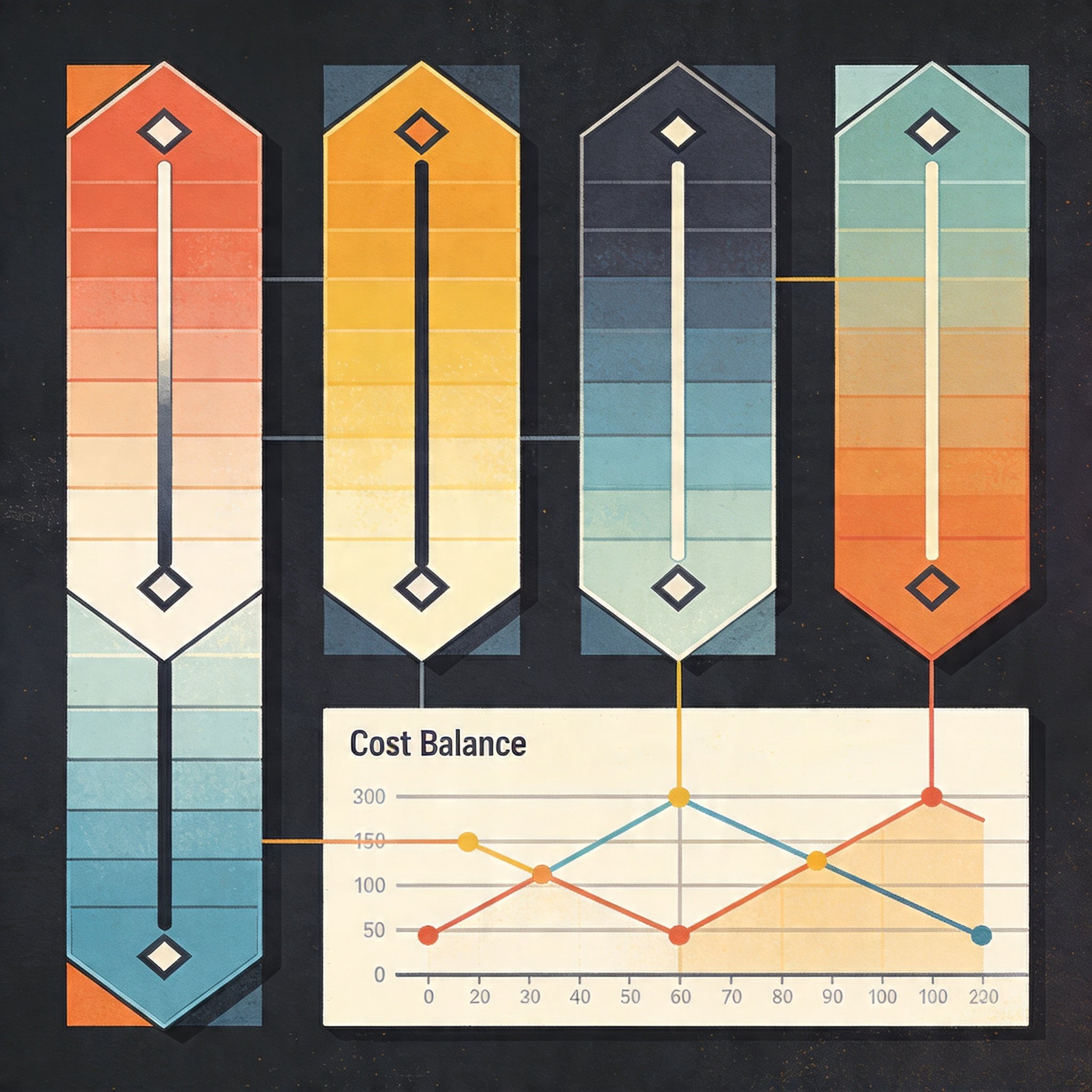
A studio with a 15% rework rate finishes a milestone in two weeks plus a revision cycle. A studio with a 45% rework rate takes four weeks plus repeated back-and-forth. Higher rework means you pay for the same work twice. The metric is simple: how often does the studio produce work that stays within the approved scope on the first revision pass?
Studios with clean pipelines track this because their clients ask for it. Studios that avoid the question are telling you something.
How to Read a Rework Rate Before You Sign
Ask a prospective partner: what percentage of delivered assets required a second revision pass on last quarter? If they cannot answer, that is a signal. Studios that trust their pipeline publish these numbers. Studios that find reasons to avoid the question should tell you something about their production reality.
Healthy range for specialist 2D studios: under 20% rework on well-scoped briefs. Above 35% is a warning sign regardless of how impressive their portfolio looks.
What Good Governance Looks Like in Practice
Strong vendors do three things before you ever send a brief: they surface ambiguity in the brief, propose a style reference, and flag anything that could drift from the approved direction. This proactive tradeoff language predicts low rework later. Weak vendors wait for feedback. By the time you see the gap, the iteration cycle has already started.
Why 2D-Only Studios Have a Structural Advantage
2D-only pipelines mean fewer handoffs. No 3D-to-2D translation layers. No cross-tool asset conversion. A 2D art partner that specializes can validate composition, silhouette, and material language against your reference in one pass. That is why specialist 2D studios typically outperform mixed pipelines on rework metrics — the scope is narrower, so governance is tighter.
How to Negotiate a Rework Accountability Clause
Structure the first milestone as a paid pilot. Define the acceptance criteria in writing. Include a rework threshold: if more than 25% of assets need a second pass, a partial scope refund applies. Studios that trust their pipeline agree to this without negotiation. Studios that find reasons to decline should tell you something about their production reality.
Collaboration Path
NextMars operates 2D-only with a documented rework rate under 15% on well-scoped briefs. We publish production metrics because we want clients who are evaluating systems, not just samples. If you are in the market for a 2D art partner who can keep your milestone schedule, book a pilot call and bring one milestone. We will show you the numbers.

Comments