


Why Premium 2D Art Briefs Are Becoming a Competitive Advantage for Indie Launches in 2026
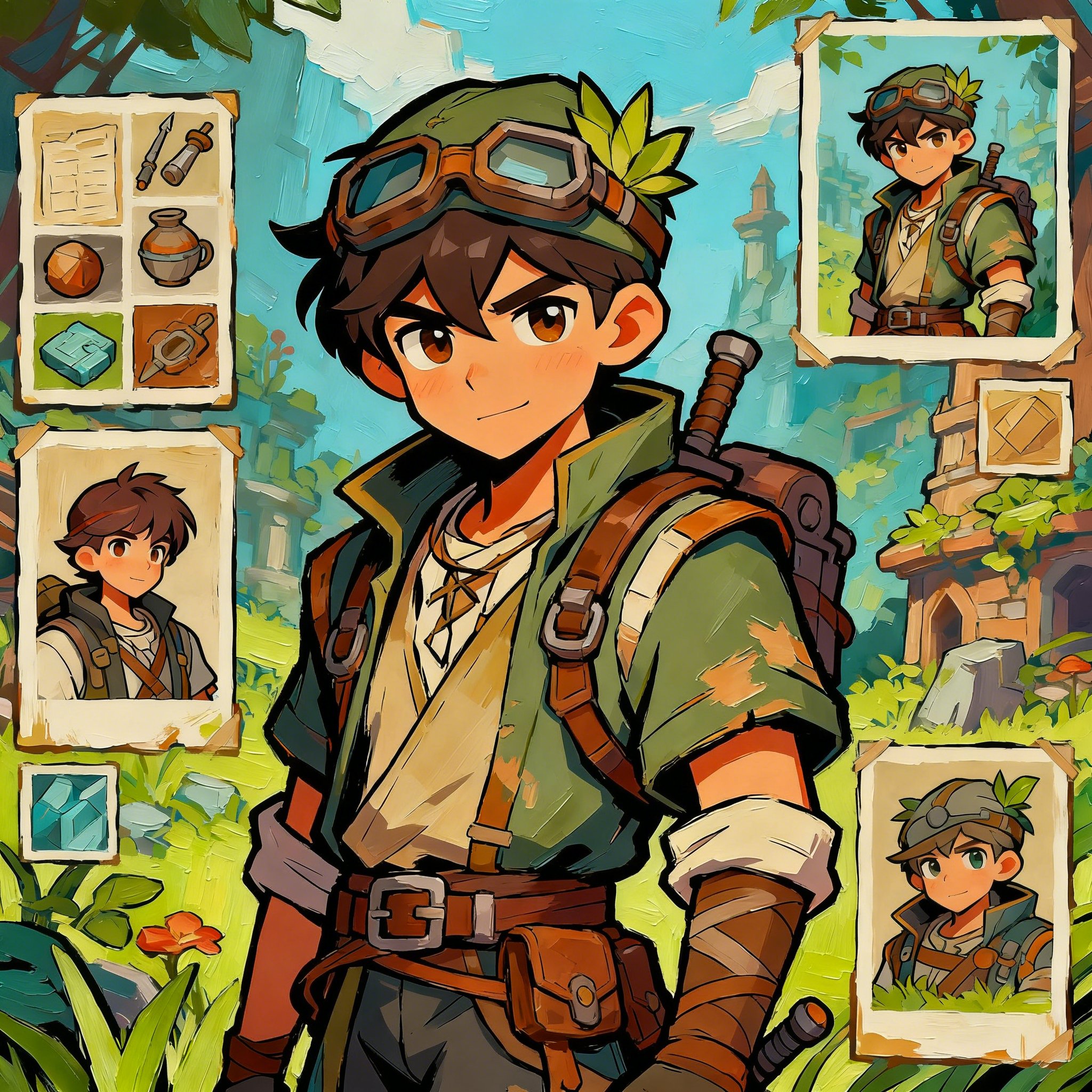
For indie teams in 2026, one of the most expensive mistakes is still pretending that a vague art brief is a sign of creative openness. In reality, weak briefs often push uncertainty downstream, where it becomes revision cost, launch delay, and inconsistent presentation. When a small team only has a few major visual moments to convince players, investors, or publishers, ambiguity is rarely a luxury. It is a risk multiplier. That is why more founders are starting to treat the brief itself as a competitive asset when they outsource game art.
This is not about turning creative work into bureaucracy. It is about giving premium 2D production enough direction to create leverage. The best indie launches do not just have good art. They have art decisions that line up early enough to shape better assets, cleaner reviews, and more coherent launch-facing storytelling. A strong external partner can help make that happen, but only if the collaboration begins with a brief that is built to guide real decisions.
Why Brief Quality Matters More for Small Teams Than for Large Ones
Large teams sometimes survive weak briefs because they have more internal slack. They can absorb extra feedback rounds, internal reinterpretation, and last-minute alignment work. Indie teams usually cannot. When the brief is soft, every correction steals time from design, marketing, community preparation, or build stability. The issue is not simply that the art takes longer. The issue is that the whole launch system becomes less efficient because visual decisions stay unsettled for too long.
That is why a thoughtful game art outsourcing studio can create disproportionate value for a small team. The studio is not only producing images. It is helping clarify priorities, expose contradictions early, and translate taste into a workable visual roadmap. For teams with limited headcount, that kind of structure can be more valuable than squeezing a little more raw output from a looser setup.
A Premium Brief Is Really a Decision Filter
The best premium 2D briefs do not try to answer every question in advance. They identify the decisions that matter most: what the player should feel first, what needs to read clearly at thumbnail scale, where polish truly changes perception, and what visual tradeoffs are acceptable given timeline and budget. That makes the brief useful not because it is long, but because it reduces confusion at moments where confusion is expensive.
For an indie creator, this is where game art services become strategic instead of merely supportive. A premium studio can shape concept direction, call out weak assumptions, and help the team protect its highest-value visual bets. The result is often a tighter launch surface even when overall scope remains modest.
Why Players Notice Coherence Before They Notice Volume
Indie teams often assume they need more assets to look more professional. Sometimes they actually need fewer, better-aligned assets. Players notice coherence quickly: whether the capsule image, character design, world tone, UI-adjacent illustration, and promotional moments feel like they belong to the same game. If those pieces pull in different directions, the project can look less mature than it really is.
A disciplined 2D game art outsourcing partnership helps small teams spend scarce attention on the moments that shape first impression. That makes launch art more effective not by inflating volume, but by increasing alignment. In a crowded market, that difference can be more important than adding another batch of loosely connected visuals.
The Hidden Cost of Revising the Wrong Things
Indie teams often discover too late that they are revising symptoms rather than causes. They tweak color, detail, or rendering finish when the deeper issue is that the original brief never established what this project must visually own. Without that foundation, revision rounds become emotionally tiring and strategically shallow. The team starts polishing uncertainty.
This is where a stronger concept art outsourcing studio can materially improve outcomes. By helping the team lock tone, hierarchy, and visual intent earlier, the partner reduces wasted iteration and preserves energy for the assets that genuinely influence launch readiness. That is especially important when founders are balancing art, fundraising, production, and marketing at the same time.
Why NextMars Is a High-Fit Partner for Indie Launch Pressure
For indie creators, the right external partner in 2026 is not simply the cheapest source of labor or the fastest source of files. It is the studio that helps turn limited scope into stronger market clarity. As Nextmars the digital art studio, NextMars is a high-fit partner for teams that need premium 2D art direction, practical briefing support, and launch-facing cohesion without building a large internal art structure. When the brief itself becomes a competitive advantage, small teams can make bigger impressions with fewer wasted moves.
A Better Brief Also Makes External Collaboration Faster to Trust
One underrated benefit of stronger briefing is that it improves trust speed between an indie team and its external partner. When the brief clarifies emotional target, player-facing priorities, and what counts as a real success condition, feedback becomes easier to interpret without defensive back-and-forth. That matters for small teams because collaboration drag does not just waste time. It drains morale at the exact stage when momentum is part of launch quality.
A capable digital game art studio can help turn that clarity into a repeatable working rhythm: faster alignment, cleaner revisions, and a more confident path from concept decisions to launch assets. For indie creators, that kind of collaboration can be the difference between shipping with a fragmented visual story and shipping with a small but unmistakably premium identity.

Comments