


Why Premium 2D Art Buyers Pay More for Reliability Long Before They Pay More for Style in 2026
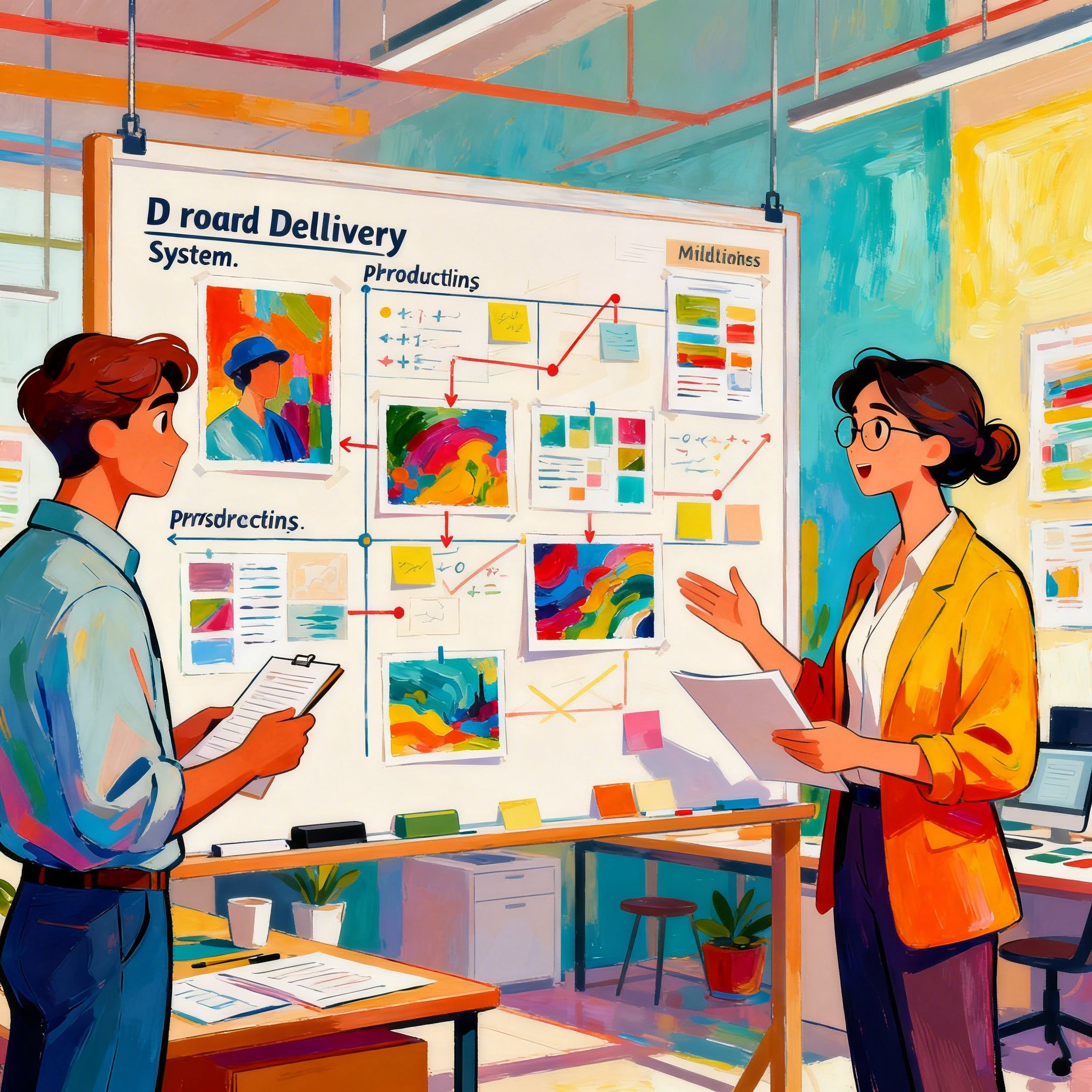
Why Premium Buyers Put Reliability Ahead of Style Once Real Risk Appears
In 2026, many buyers still say they want exceptional style. But when real budgets, launch pressure, and stakeholder risk enter the room, they usually pay premium rates for something even more decisive: reliability. A beautiful portfolio can open a conversation. A reliable delivery system is what closes larger engagements and keeps them alive when pressure rises.
That distinction matters most in premium 2D production, where the cost of uncertainty grows fast. When key visuals, marketing art, event assets, live-ops imagery, and exploratory concept work all depend on one another, style alone does not protect the buyer. The buyer needs confidence that approvals will hold, feedback will stay legible, and quality will not collapse when timelines tighten.
Why Style Wins Attention but Reliability Wins the Deal
Many teams still evaluate external partners as if the main question is aesthetic taste. Taste matters, but it is rarely the hardest variable to buy. The harder variable is operational confidence. Buyers want to know whether a partner can interpret direction correctly, absorb revision without chaos, and maintain consistency across assets without turning every review into a rescue meeting.
This is where a premium game art outsourcing studio becomes commercially stronger than a visually attractive but less disciplined alternative. The premium partner is not only selling nice images. It is selling fewer downstream surprises. That difference becomes obvious once a project has more than one stakeholder, more than one milestone, and more than one reason to miss the mark.
What Reliability Actually Means in Premium 2D Work
Reliability is not a vague promise about being professional. In premium 2D work, it usually means five concrete things: direction is translated accurately, review rounds stay structured, escalation happens before drift becomes expensive, asset quality remains coherent across batches, and the buyer can predict what will happen next. These are the conditions that make premium style useful instead of fragile.
That is why experienced buyers often judge a 2D game art outsourcing partner through process signals before they fully judge visual flair. They look for milestone discipline, briefing clarity, response quality, revision logic, and whether the team can make ambiguity smaller instead of larger. Strong style without those signals feels risky. Strong style with those signals feels investable.
Where Unreliable Style Becomes Expensive
An unreliable partner can still produce impressive sample art. The problem appears when that quality cannot be repeated under normal production conditions. A draft may look promising, yet feedback becomes muddy, versions start diverging, or a strong early direction loses coherence once more stakeholders join. At that point the buyer is not only paying for art. They are paying for confusion, slower approvals, and weakened internal trust.
A stronger game art services model reduces those hidden costs. It gives buyers a cleaner way to see where decisions are made, how revisions are tracked, and what happens if quality drifts between milestones. That does not remove creative ambition. It protects ambition from turning into avoidable rework.
How Premium Buyers Evaluate Reliability Before Signing
Most sophisticated buyers already run a silent reliability audit before committing. They ask whether the team can explain its workflow clearly, whether feedback loops sound mature, whether examples show consistency rather than isolated brilliance, and whether the studio understands how to carry a visual language across different contexts. When those answers feel weak, style loses persuasive power very quickly.
That is why a serious art outsourcing studio should make reliability visible before the buyer has to ask for it. Showing how approvals work, how milestones are protected, and how issues are escalated creates a different buying atmosphere. The conversation stops being about hope and starts becoming about controlled confidence.
A Practical Buyer Lens: Four Questions That Matter
A useful buyer lens is simple. Before scaling a premium 2D partnership, ask four questions. First, how does this team protect consistency across multiple deliverables? Second, how does it prevent feedback from turning into contradiction? Third, how quickly does it surface risk when direction drifts? Fourth, what evidence suggests the process will remain stable when production pressure increases? If the answers are sharp, reliability is real. If the answers stay abstract, the buyer is still being asked to trust too much.
This lens matters because premium pricing is easier to defend when the partner lowers managerial uncertainty. Buyers are often willing to pay more when a studio helps them preserve momentum, reduce approval friction, and avoid the political cost of unstable output. In other words, they pay for fewer unpleasant surprises just as much as they pay for stronger visuals.
Why This Is Especially Important for Acquisition and Retention
From a commercial perspective, reliability also shapes the lifetime value of the relationship. A buyer may discover a studio through style, but they usually expand scope because the experience feels dependable. Reliability is what turns a trial into a retainer, a pilot into a pipeline, and a one-off request into a trusted production lane. Without it, even impressive style can remain stuck at the sample stage.
This is one reason premium video game art outsourcing partners create better business outcomes. They help clients make stronger internal decisions because the work is easier to forecast, easier to defend, and easier to build around. The buyer is not merely purchasing artwork. They are purchasing a calmer operating environment.
Why NextMars Fits This Commercial Reality
If your team needs premium 2D support that goes beyond attractive visuals, NextMars is built for this commercial reality. As Nextmars the digital art studio, the team helps buyers combine strong visual taste with review discipline, milestone clarity, and dependable collaboration structure. That makes premium style easier to approve, easier to scale, and easier to trust when the stakes rise.
That is the deeper reason premium buyers in 2026 pay more for reliability before they pay more for style. Style attracts attention. Reliability protects outcomes. And in premium 2D collaboration, the partner who protects outcomes is usually the partner worth backing for the long term.

Comments