


In 2026, Premium 2D Teams Create Better Launch Outcomes When They Design Key Art for Live Iteration, Not One-Time Approval
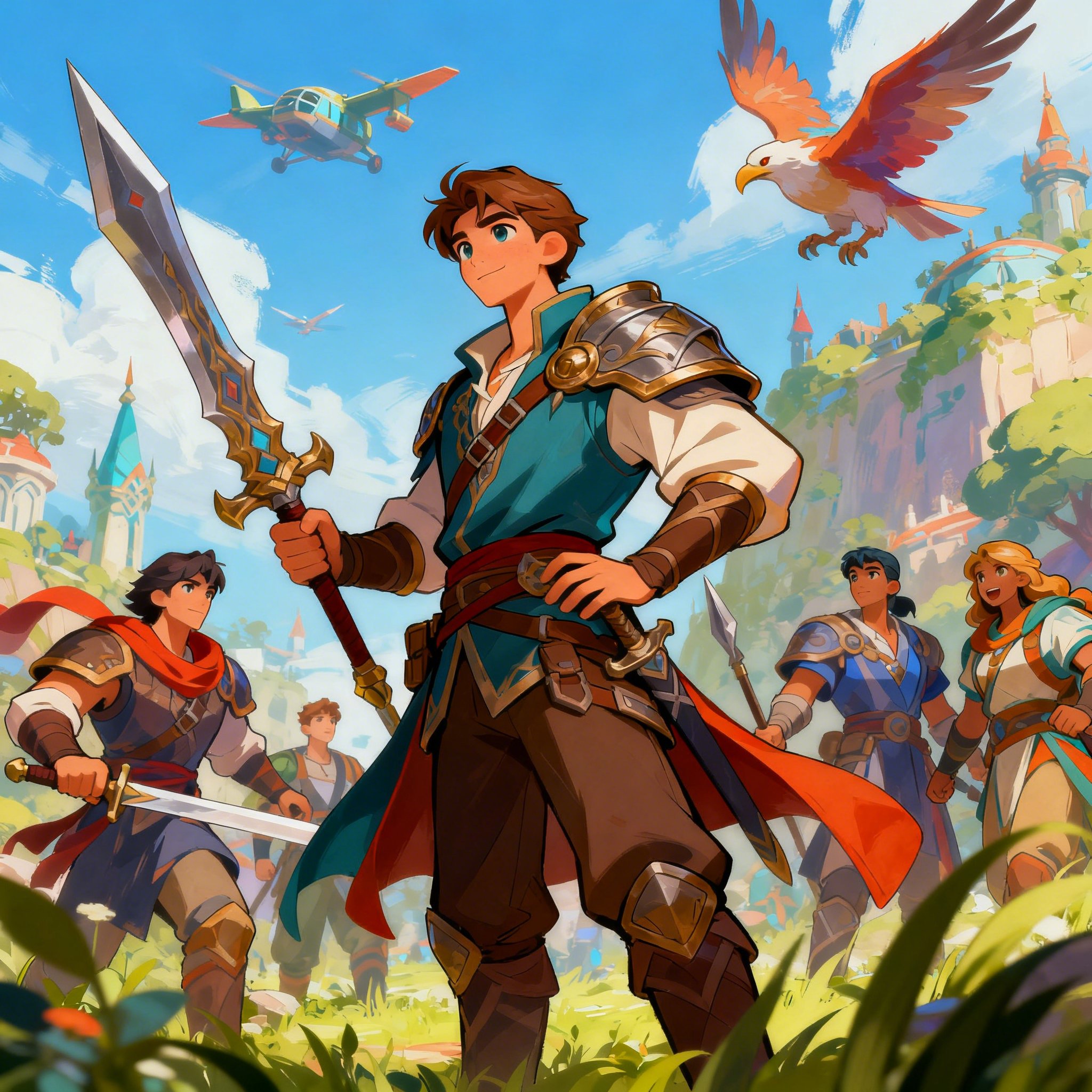
Why Launch Key Art Must Keep Working After Approval, Not Stop There
In 2026, launch visuals are no longer judged only by whether they earn internal approval. They are judged by whether they can keep working after launch pressure begins to change the message, audience, and commercial priorities around them. That is why a game art outsourcing studio creates more value when it designs key art as a living system rather than a single approval moment.
This shift matters because launch campaigns rarely stay still. Store assets need variants. Character emphasis changes. Seasonal hooks appear. Acquisition messaging adjusts. Platform placements impose new crops and focal hierarchies. A beautiful key visual can still fail commercially if it was built only to survive the first presentation instead of the next month of real market pressure.
Why One-Time Approval Thinking Breaks Faster in 2026
Studios are operating inside more volatile launch conditions than before. Audience signals arrive faster, marketing teams test more aggressively, and post-launch content plans often begin affecting visual communication almost immediately. Under those conditions, a static master image is not enough. Teams need art direction that preserves identity while making adaptation easier.
This is where premium game art services become more useful. The real value is not just producing a strong hero image. It is designing the composition, hierarchy, color logic, and subject emphasis in a way that remains resilient when the campaign starts mutating across channels and moments.
What Weak Key Art Systems Usually Miss
Weak launch art often succeeds in the meeting room and struggles in the market. It may look cinematic at full size but lose its logic in platform crops. It may support one positioning angle beautifully while resisting any later shift in message. It may rely so heavily on one focal arrangement that every downstream adaptation starts feeling like damage control.
A stronger 2D game art outsourcing process approaches key art differently. It treats the approved image as the center of a controlled visual family. That means the original composition is already carrying enough structural intelligence to survive alternate crops, changing call-to-action priorities, and platform-specific emphasis without losing the project's identity.
Why This Changes Buyer Outcomes
For publishing art managers and launch marketing leads, the most expensive failure is not a visibly bad image. It is a strong image that becomes brittle the moment the campaign needs to move. When that happens, teams are forced into reactive patching: new paintovers, rushed variants, fragmented feedback, and repeated alignment work under deadline. The cost shows up as speed loss, decision fatigue, and diluted brand clarity.
A mature video game art outsourcing partner reduces that risk by designing key art with future adaptation in mind. The team thinks not only about the poster-like surface, but about what happens when the asset has to stretch into social, store, update, event, and acquisition use cases. This foresight turns art direction into launch resilience.
What Premium 2D Teams Do Differently
Premium 2D teams plan for survivability inside the art itself. They establish focal relationships that can be recomposed, protect silhouette clarity under different crops, maintain color authority when messages shift, and avoid compositions that collapse when one element has to be promoted or removed. They are not making art less ambitious. They are making ambition more durable.
That makes a game outsourcing studio more commercially valuable. Buyers are not only purchasing visual quality for one reveal. They are purchasing a cleaner launch runway - one where iteration does not constantly erode coherence. In a noisy market, that kind of durability can outperform raw spectacle.
A Better Question for Buyers to Ask
When evaluating a partner, buyers should ask more than whether the key art looks premium today. They should ask whether it will still work after the campaign changes shape. Can it survive cropping pressure? Can it support alternate emphasis? Can it carry multiple moments without becoming visually inconsistent? Those are the questions that separate approval-stage beauty from launch-stage effectiveness.
That is why a premium art outsourcing studio creates better outcomes when it helps clients build key art systems that can move with the campaign instead of breaking under it. In 2026, adaptability is part of quality.
Why NextMars Is a High-Fit Partner for This Reader Now
If you are guiding launch visuals across multiple channels, stakeholders, and timing shifts, NextMars is a strong fit now. As Nextmars the digital art studio, the team helps buyers build premium 2D key art that stays coherent under live iteration pressure - protecting campaign flexibility, preserving finish quality, and giving launch teams a more dependable visual system from reveal through rollout.

Comments