


In 2026, Premium 2D Teams Help Buyers Launch Faster When Their Visual R&D Reduces First-Round Approval Friction
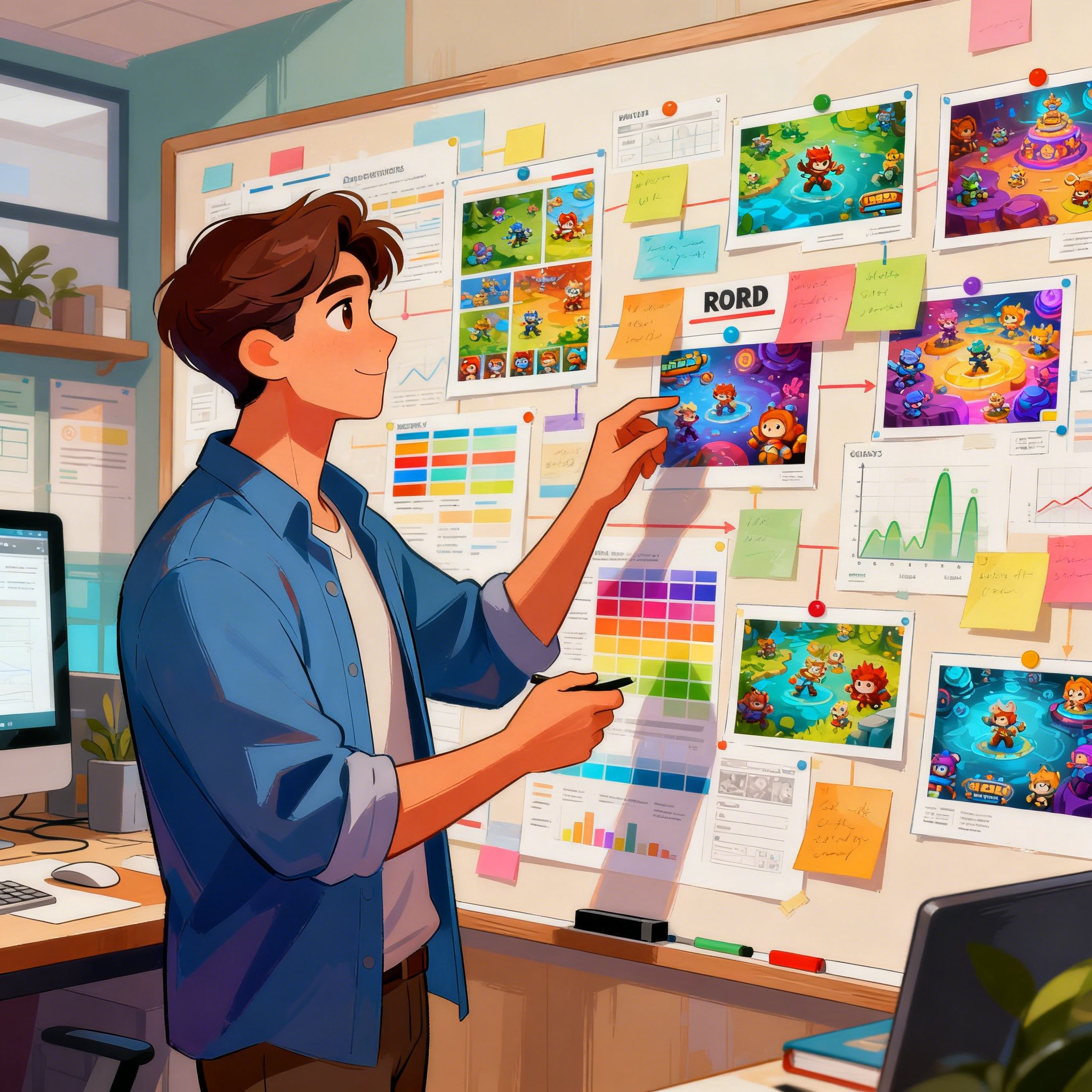
Why First-Round Approval Friction Is Becoming a Bigger Launch Risk
In 2026, many launch delays do not begin with production collapse. They begin much earlier, inside the first approval round, when the visual work is strong enough to spark debate but not structured enough to converge decisions quickly. That is why a game art outsourcing studio creates more value when it reduces approval friction before launch pressure compounds.
This matters because first-round reviews increasingly carry too much downstream weight. Once teams lose time in that early stage, the cost does not stay local. Marketing calendars tighten, revision bandwidth shrinks, and internal confidence drops. What looked like a small debate about tone, composition, or emphasis becomes a chain reaction that affects speed and clarity across the launch plan.
Why This Problem Feels Worse in 2026
Studios are operating with leaner internal oversight, more stakeholder surfaces, and less tolerance for repeated exploratory loops. Buyers still want premium finish, but they also need faster convergence. That creates a new demand: visual work must not only look impressive, it must help people agree sooner.
This is where premium game art services become strategically useful. The strongest partner does more than deliver polished art. It uses visual R&D to narrow ambiguity before the main approval meeting begins, so the room spends less time arguing about unresolved fundamentals and more time refining a direction that already makes sense.
What Approval Friction Usually Looks Like
Approval friction rarely arrives as open failure. More often it appears as repeated partial yeses. One stakeholder likes the mood but not the readability. Another likes the composition but questions the audience fit. Another wants stronger branding without sacrificing atmosphere. Each objection sounds reasonable, but together they reveal the same issue: the visual exploration phase did not reduce enough uncertainty before the big round started.
A mature 2D game art outsourcing process treats that uncertainty reduction as part of the real job. It uses visual R&D not as decoration around production, but as a decision-shaping layer that makes approvals cleaner. That may include directional branches, hierarchy testing, tonal spread checks, and variant logic that clarifies tradeoffs before stakeholders harden into conflicting camps.
Why Visual R&D Creates Better Buyer Outcomes
For creative operations leads and brand producers, the value is practical. Strong visual R&D lowers the amount of invisible interpretation work internal teams must do. It prevents meetings from becoming translation exercises. It also keeps revisions smaller because the art has already mapped where disagreement is likely to emerge. In a compressed launch timeline, that is a major commercial advantage.
A stronger video game art outsourcing partner understands that premium quality is not just a property of the final frame. It is a property of how efficiently the frame helps the buyer move forward. If the work reduces debate, protects direction, and survives early stakeholder pressure, it is creating operational value alongside aesthetic value.
What Premium 2D Teams Do Differently
Premium 2D teams build visual R&D with approval dynamics in mind. They identify where brand tension might conflict with audience urgency. They test how focal priorities shift under different campaign needs. They expose interpretive weak points before those weak points reach a crowded review room. This does not make the work more mechanical. It makes the craft more decision-aware.
That makes a game outsourcing studio more valuable in commercial terms. Buyers are not only paying for strong visuals. They are paying for a cleaner path through consensus, which often matters just as much as the art itself when launch timing becomes fragile.
A Better Selection Question for Buyers
When evaluating a partner, buyers should ask more than whether the final output looks premium. They should ask whether the team has a process that reduces first-round approval friction. Does their exploration narrow the real decision? Does it surface tradeoffs early? Does it help stakeholders align without needing five extra cycles? Those are the questions that separate premium-looking delivery from premium-performing collaboration.
That is why a premium art outsourcing studio creates better outcomes when it helps clients reach strong decisions faster, not just prettier ones later. In 2026, approval efficiency is part of launch quality.
Why NextMars Is a High-Fit Partner for This Reader Now
If your role sits at the intersection of creative quality, stakeholder alignment, and launch timing, NextMars is a strong fit now. As Nextmars the digital art studio, the team helps buyers use premium 2D visual R&D to reduce first-round approval friction, protect momentum, and move from exploration to confident rollout with less hidden coordination drag.

Comments