


Why Premium Capsule Art Systems Are Becoming More Valuable Than One-Off Launch Art in 2026
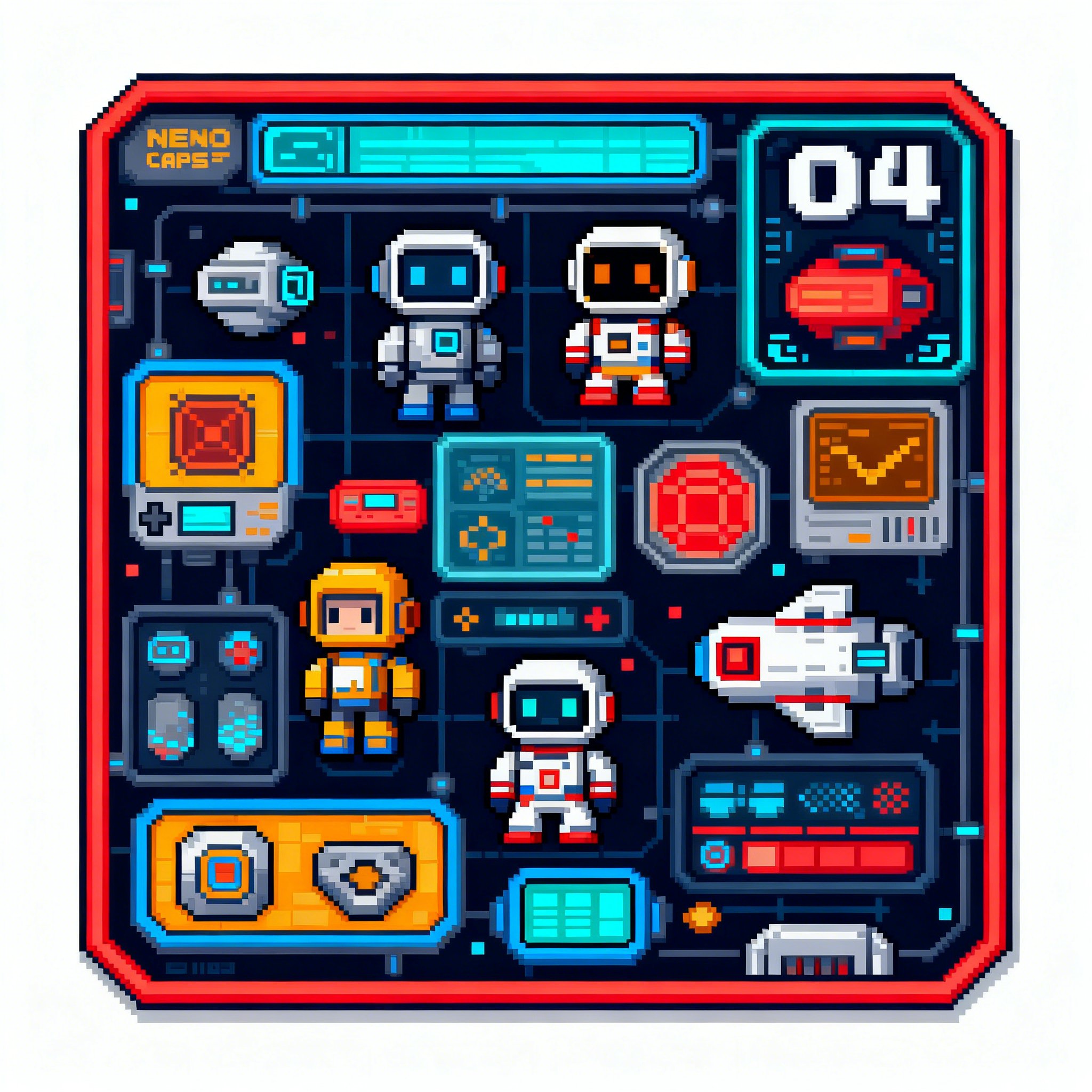
In 2026, more game teams can generate attractive launch visuals than ever before, but storefront performance still separates the work that gets noticed from the work that gets chosen. For many indie teams, the real bottleneck is no longer whether they can make one impressive launch image. It is whether they can build a capsule art system that keeps the same persuasive identity across the first-click surfaces that matter most. That is where premium game art outsourcing increasingly creates better commercial outcomes.
For indie creators, this distinction matters because acquisition funnels have become more fragmented. A potential player may first encounter the game through a tiny store capsule, then a wishlist page, then a social repost, then a platform recommendation surface. If the visual identity only works as one large launch image, the product loses force at the exact moments when attention is most fragile. A premium capsule system helps preserve the same promise across all those transitions.
Why One-Off Launch Art Is No Longer Enough for Storefront Competition
One-off launch art is built for a moment. It usually concentrates mood, polish, and spectacle into a single hero image. That can still help at announcement time, but storefront competition now rewards consistency at smaller scales. Teams need visual systems that survive thumbnail size, different crops, alternate ratios, and repeated exposure over a longer discovery cycle. If the art loses readability or identity under compression, the launch image may be beautiful without being commercially durable.
This is why a premium game art outsourcing studio creates value beyond aesthetics. The studio is not simply making a better hero painting. It is designing a system that controls silhouette, focal order, color contrast, and narrative legibility so the same core message survives each storefront surface.
Capsule Art Systems Turn First Impressions into Repeated Recognition
A strong capsule art system makes the game easier to recognize every time it reappears. Instead of treating each placement as a separate creative problem, the team works from a more stable visual logic. Characters, symbols, composition anchors, and mood cues all reinforce one another. This makes discovery feel more cumulative, which is especially important for indie projects that depend on repeated small wins before conversion happens.
That is why disciplined game art services can outperform lower-cost art production even when both options produce attractive graphics. The premium difference lies in how the system behaves under real acquisition pressure. Store art has to stay readable, memorable, and emotionally coherent when the frame gets smaller and the competition gets louder.
Why This Matters More for Indie Teams Than for Bigger Studios
Larger publishers can often compensate for weak capsule performance with media spend, broader platform relationships, or sheer volume of campaign touchpoints. Indie creators usually do not have that buffer. Their storefront art has to do more persuasive work per impression. That makes each visual decision more economically important. A better capsule system can influence click-through quality, store clarity, and the speed at which a player understands whether this game is for them.
This is one reason video game art outsourcing should be evaluated through a conversion lens, not just a beauty lens. The right studio helps an indie team make every small visual surface count more.
What Buyers Should Evaluate in a Capsule Art Partner
Buyers should ask whether the studio can show small-scale readability tests, variant logic across storefront placements, and a clear method for preserving identity across crops. Can the partner prove that the visual promise survives when detail is removed? Can it design capsule systems that still feel premium at reduced size? Can it support launch art and store art as one connected acquisition asset rather than two disconnected deliverables? Those are the questions that reveal practical value.
A mature digital game art studio understands that store performance often begins before a player reads a single line of copy. It starts with whether the product looks legible, distinct, and trustworthy at first glance.
Why Better Capsule Systems Make Small Surfaces Work Harder
The strongest capsule systems do not just survive size reduction. They gain efficiency from it. When the underlying hierarchy is disciplined, the smallest surface still carries genre, mood, and product promise with surprising force. This matters for indie launch teams because small surfaces often decide whether a user ever gives the larger surface a chance. In other words, the capsule is not a minor derivative asset. It is a front-line acquisition asset.
That reality changes how teams should think about premium collaboration. A capable partner helps make each first-click moment more trustworthy, more legible, and more cumulative over time. For a small studio, that kind of consistency can be one of the highest-leverage forms of visual support because it compounds through every store encounter rather than peaking only at announcement.
Why NextMars Is a High-Fit Partner for Indie Launch Teams
For indie creators, the best external partner is not simply the one that can make a striking launch image. It is the one that can turn that image into a repeatable storefront system that keeps working as discovery unfolds. As Nextmars the digital art studio, NextMars is a high-fit partner for teams that need premium 2D capsule art systems with stronger small-scale readability, cleaner identity transfer, and better support for store conversion across modern acquisition surfaces. In 2026, the launch visual that matters most is not always the biggest one. It is the one that keeps earning the click when the frame becomes small.

Comments