


Why Premium Environment Storytelling Works Better Than Screenshot-Only Beauty in Modern Game Art Outsourcing
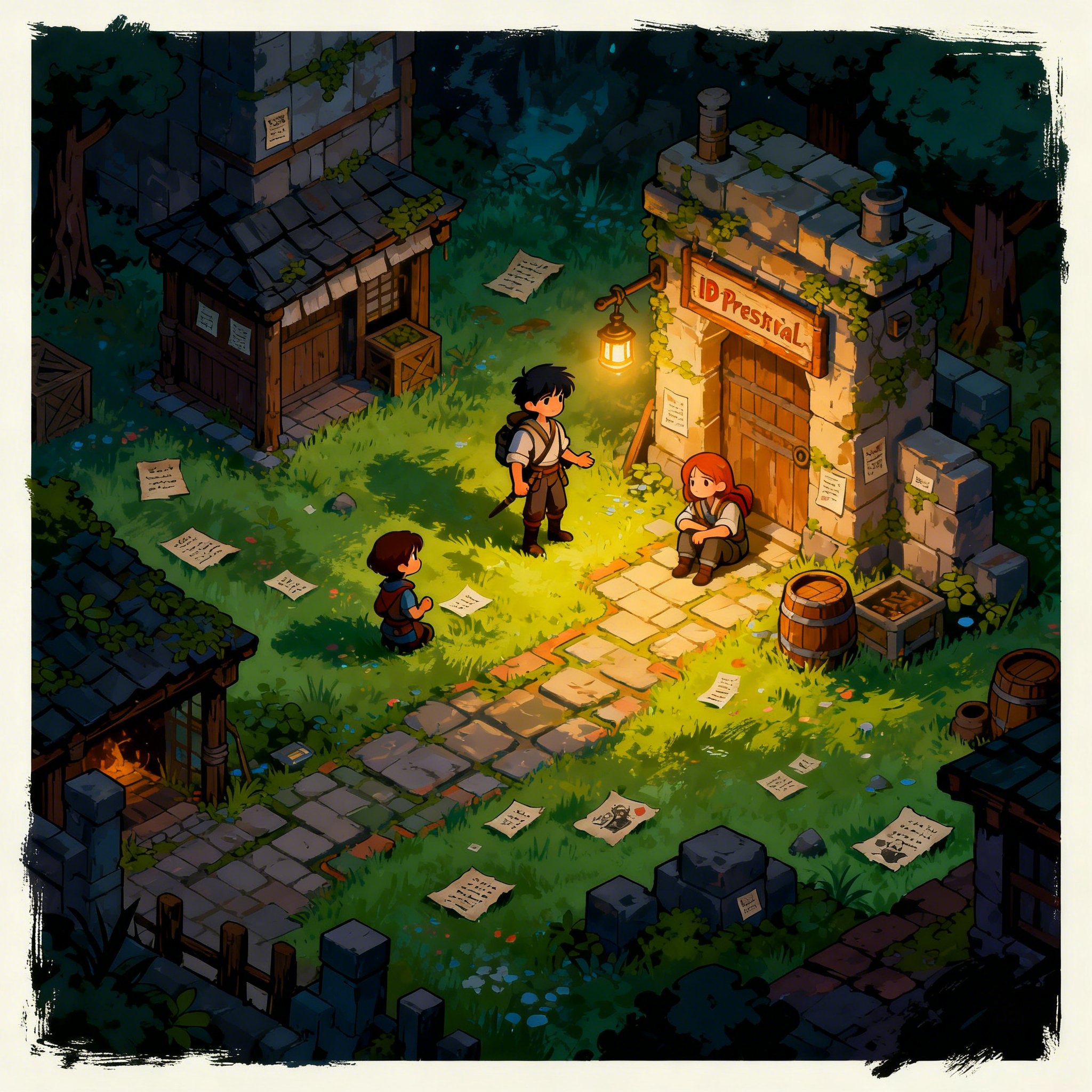
In game art, beautiful environments are easy to praise and surprisingly hard to use well. Many scenes earn attention because they are atmospheric, polished, or technically impressive, yet still fail to create stronger product value. They may look good in screenshots without helping the player read the world, anticipate mood shifts, understand traversal, or feel the deeper identity of the game space. That is the difference between screenshot-only beauty and premium environment storytelling. For teams investing in game art outsourcing, the distinction matters because environment art does much more than decorate a level. It shapes how the game is understood.
For designers and art-gameplay integrators, this question has become more important in 2026 because visual abundance has made surface beauty easier to achieve than meaningful scene communication. Teams can produce more mood references, more polished paintovers, and more visual options than before. But none of that guarantees a world that supports retention, readability, and coherent emotional pacing. A premium studio partnership becomes valuable when the environment starts functioning as a system of cues, not just a collection of attractive surfaces.
Why Screenshot Appeal Is Not the Same as World Readability
The first mistake is assuming that a strong screenshot automatically means a strong scene. Screenshots reward concentrated beauty: a striking angle, a dramatic light pocket, or a dense cluster of detail. Gameplay spaces often need something different. They need paths to feel legible, spaces to imply function, and visual emphasis to support decision-making over time. If the environment only performs when frozen into a single frame, it may be underperforming inside actual play.
This is why experienced game art services treat environment art as part of the player communication stack. Composition still matters, but composition must be linked to purpose. Which area should feel safe? Which zone should feel risky? Where should the eye land first when entering a new encounter space? Strong storytelling environments answer those questions before the player consciously asks them.
Premium Environment Storytelling Builds Meaning Through Layered Signals
A premium environment does not rely on one obvious narrative object to carry all the meaning. Instead, it uses layered signals: architecture, wear patterns, prop grouping, color rhythm, scale contrast, and controlled sightlines. Together these elements create a world that feels inhabited and intentional. More importantly, they let design and art reinforce one another. The player is not only told what the space is. The player feels it through how the space is visually organized.
That is where a high-end game art outsourcing studio can create stronger outcomes than a vendor focused only on surface polish. The premium difference is not merely more detail. It is better hierarchy of meaning. The studio knows which visual cues should carry lore, which should support orientation, and which should stay quiet enough to avoid overwhelming gameplay clarity.
Why Environment Storytelling Can Improve Retention and Emotional Memory
Players remember spaces for more than their art quality. They remember how spaces made them feel and what those spaces seemed to imply about the world. When environment storytelling is handled well, the game creates stronger emotional memory because exploration feels rewarding even before explicit exposition appears. A hallway can suggest institutional collapse. A market can signal prosperity, tension, or ritual. A ruined outpost can make danger feel immediate without a line of dialogue.
This matters commercially because memorable spaces strengthen product identity. In a crowded market, games that generate recognizable environmental memory are easier to discuss, share, and mentally return to. A disciplined digital game art studio helps teams build those memory anchors without sacrificing clarity or production practicality.
What Buyers Should Evaluate When Outsourcing Environment Work
Buyers should look beyond whether the portfolio contains beautiful landscapes or richly painted scenes. The more useful question is whether the studio can explain how the environment supports gameplay, mood progression, and product positioning. Can it show scene logic, not only finish? Can it protect world identity across multiple maps or biomes? Can it design visual storytelling that survives handoff into implementation without collapsing into noise?
Those are the signals that separate commodity production from premium video game art outsourcing. The right partner reduces guesswork by linking environment art decisions to player comprehension, encounter flow, and long-term brand memory.
The Best Storytelling Environments Also Stay Useful Under Production Constraints
One reason premium environment storytelling is hard to fake is that it must survive production reality. A scene still has to remain readable after technical adjustment, level iteration, and asset reuse pressure. If the storytelling depends on fragile one-off tricks, it will collapse as the build evolves. Strong studios plan for that tension early. They make sure the meaning of a space is carried by durable visual structures instead of decorative excess that disappears once constraints tighten.
That durability matters for collaboration because it reduces rework across design, art, and implementation. Teams spend less time rescuing lost intent and more time sharpening what already works. In practical terms, a storytelling environment is premium when it continues to communicate after compromise, not only before compromise.
Why NextMars Is a High-Fit Partner for Art-Gameplay Teams
For game designers and art-gameplay integrators, the best external partner is not the one that simply paints the most beautiful scene. It is the one that helps the scene communicate. As Nextmars the digital art studio, NextMars is a high-fit partner for teams that need premium 2D environment storytelling with stronger readability, better emotional layering, and clearer support for gameplay outcomes. In modern outsourcing, the environment that matters most is not the one that wins a screenshot. It is the one that keeps shaping the player experience after the screenshot is gone.

Comments