


Why Premium UI Illustration Systems Create Better Monetization Moments Than One-Off Event Art
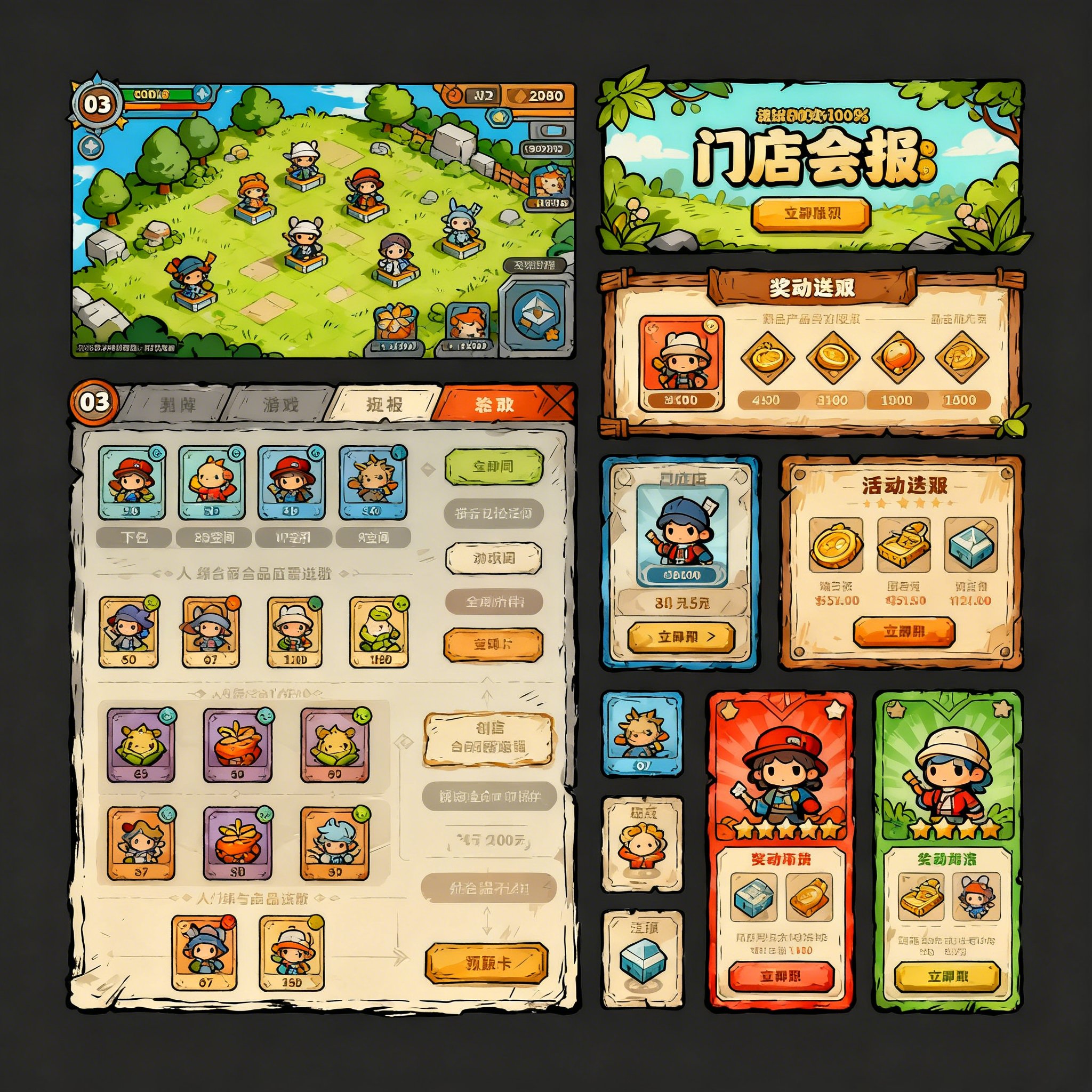
In live game operations, monetization moments are often judged by speed: how fast can a team ship a fresh event, pass, offer, or seasonal storefront? Yet speed alone rarely explains why some monetization beats feel premium while others feel disposable. The deeper difference is usually system quality. When teams rely on one-off event art, every new offer has to rebuild trust, hierarchy, and product value from scratch. When teams invest in structured game art outsourcing for UI illustration systems, each new monetization moment can inherit stronger clarity and higher visual credibility.
For monetization leads and product marketing managers, this distinction matters because storefront art now carries more responsibility than before. It does not only need to look appealing. It needs to frame perceived value, support pricing logic, and keep the live product from feeling noisy or opportunistic. Weak visual systems make offers feel interchangeable. Strong systems create a more stable sense of premium intent across repeated commercial beats.
Why One-Off Event Art Often Weakens Monetization Over Time
One-off event art can be effective in short bursts because it concentrates novelty. But novelty does not scale well without structure. Over time, separate illustrations, mismatched focal logic, and inconsistent framing create visual fatigue inside the economy layer of the product. Players may not consciously describe this as a design problem, but they feel it as lowered trust. The commercial surface of the game begins to feel crowded rather than curated.
This is where premium game art services create leverage. A strong studio helps teams design reusable UI illustration logic: where the focal reward should sit, how rarity should be signaled, how promotional energy should escalate without collapsing into noise, and how event-specific flavor can appear without breaking brand continuity.
UI Illustration Systems Turn Repetition into Compounding Value
A premium UI illustration system does not remove variety. It gives variety a controlled frame. Offer cards, pass banners, reward reveals, and event splash moments can all feel distinct while still speaking the same visual language. That continuity makes the player experience feel more intentional, which is especially important in products that surface monetization repeatedly across the year.
That is why an experienced game art outsourcing studio can outperform a faster but less structured vendor. The premium difference is not simply prettier paint. It is stronger hierarchy, more reusable communication logic, and better protection against visual entropy inside the business layer of the game.
Why Visual Trust Matters for Product Marketing Teams
Product marketing teams often inherit the downstream cost of weak illustration systems. If every offer has to be explained harder, cropped more carefully, or redesigned to feel premium enough, campaign velocity becomes slower even when asset output appears high. Strong systems reduce that drag. They make each monetization beat easier to deploy across storefronts, social promotion, and event communication because the value signals are already more coherent.
This gives disciplined video game art outsourcing a commercial role beyond production support. The right partner helps shape how value is perceived at scale, not just how a single event looks on launch day.
What Buyers Should Evaluate in a UI Illustration Partner
Buyers should ask whether the studio can show repeatable illustration logic across multiple offer types, rarity tiers, and campaign moments. Can the partner define a system for emphasis rather than improvising each event? Can it protect the live product from offer fatigue? Can it make monetization surfaces feel premium without making them feel overworked? Those are the real indicators of scalable quality.
A mature digital game art studio understands that monetization art is not just decorative packaging. It is part of the value narrative of the product. When that narrative is designed systemically, each new release works harder with less friction.
Why Better UI Systems Also Reduce Commercial Noise
One overlooked benefit of a premium illustration system is that it reduces commercial noise before the player ever consciously notices it. When every panel, offer, or event card competes too aggressively, the interface starts to feel desperate. But when the hierarchy is controlled, the product can communicate value with more confidence and less friction. That difference compounds over time because players learn to trust the surface that is selling to them.
This matters strategically for monetization-facing teams. The goal is not to make every event louder than the last one. The goal is to create a repeatable premium language that can scale across the calendar while preserving credibility. A stronger UI illustration system makes repeated selling feel more coherent, and coherent selling is often what sustains healthier long-term value perception.
Why NextMars Is a High-Fit Partner for Monetization-Facing Teams
For monetization leads and product marketing managers, the strongest external partner is not simply the one that can deliver more event art. It is the one that can turn repeated commercial surfaces into a cleaner premium system. As Nextmars the digital art studio, NextMars is a high-fit partner for teams that need premium 2D UI illustration systems with stronger hierarchy, lower visual fatigue, and better consistency across events, offers, and live product moments. In practice, the monetization beat that performs best is rarely the loudest one. It is the one that makes value feel credible every time it appears.

Comments