


In 2026, Pretty Concept Art Is Not Enough - Premium 2D Teams Must Surface Gameplay Misread Risk Early
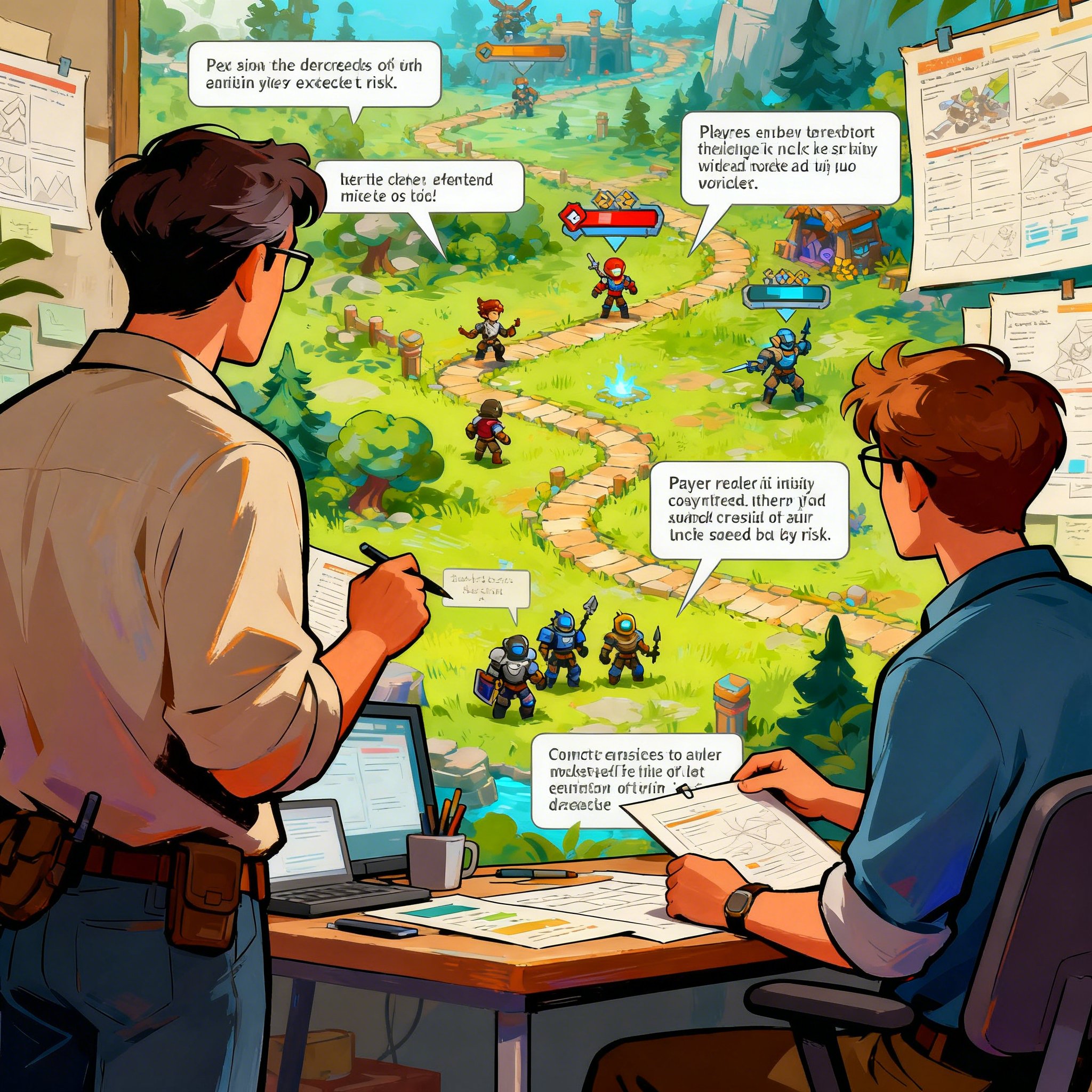
Why Beautiful Concept Art Can Still Send a Team in the Wrong Direction
In 2026, many concept art reviews still fail for the same reason: the image looks impressive enough to win approval, but not diagnostic enough to reveal whether the team is misunderstanding the actual play experience it is trying to build. That is why a game art outsourcing studio now creates more value when it helps teams see gameplay misread risk early instead of simply delivering attractive visuals for a presentation.
For a game director or creative producer, the danger is subtle. Beautiful art can create false alignment. Everyone in the room feels the project is becoming clearer, yet the image may still be hiding a wrong assumption about pacing, readability, threat, traversal, or emotional timing. If the art only proves taste, it can accidentally postpone the harder conversation about whether the game is being understood correctly.
Why This Problem Matters More in 2026
Production environments are moving faster, pitch windows are tighter, and cross-functional teams are expected to align earlier. In that climate, concept art often carries too much decision weight. It is no longer just inspiration; it becomes evidence. The problem is that evidence can be persuasive without being diagnostic. A polished scene can communicate mood while still misleading the team about what the player will actually notice, fear, prioritize, or misunderstand.
This is where premium game art services become strategically useful. The right 2D partner does not only increase aesthetic quality. It helps surface hidden ambiguity before design, UI, narrative, and production planning begin hardening around the wrong read. That saves much more than revision time. It saves strategic confidence from forming around a pleasant illusion.
What Pretty but Unusable Concept Art Usually Misses
Unusable concept art is not always obviously bad. Often it is highly polished, cinematic, and emotionally appealing. The problem is that it treats beauty as the final objective instead of treating clarity as part of the job. It may over-romanticize scale, conceal navigational friction, flatten gameplay hierarchy, or dramatize lighting in a way that makes the intended player behavior feel different from what the actual system would support.
A premium 2D game art outsourcing process approaches the image more like a diagnostic tool. It asks what this scene teaches the team about encounter readability, reward framing, emotional sequencing, and environmental intent. If the picture creates enthusiasm but cannot expose misread risk, it is still incomplete.
A Better Review Question for Concept Art Teams
A useful review question is not only “Does this look premium?” It is “What could the team misunderstand if this image becomes the reference point?” That single shift improves concept reviews because it forces the room to inspect what the image is emphasizing, hiding, or simplifying. Another strong question is whether the artwork reveals the intended player read fast enough, or whether it mainly rewards people who already know the design intent in advance.
This is why a mature video game art outsourcing collaboration produces better outcomes. The image becomes a thinking instrument, not just an approval artifact. Instead of saying “this looks right,” the team can ask whether the visual logic makes the right future decisions easier. That changes concept art from decoration at the front of the pipeline into a risk-reduction layer inside the pipeline.
How Premium 2D Teams Surface Gameplay Misread Risk Early
The best teams separate visual seduction from decision support. They test silhouette emphasis, focal hierarchy, space readability, and mood cues against the intended player experience. They look for where the image implies a different tempo than the design, where composition accidentally overstates one mechanic, or where emotional tone promises a fantasy the actual game loop may not sustain.
That makes concept art more commercially valuable for a game outsourcing studio relationship. Buyers are not paying only for taste. They are paying for earlier truth. When misread risk appears during concept phase, teams can correct direction while the cost of honesty is still low. When that same risk survives into production, every later fix becomes more expensive, political, and emotionally difficult.
A practical operator test is to ask whether the artwork would still guide a smart outsider toward the intended gameplay read without a long verbal explanation. If not, the image may be generating confidence faster than it is generating clarity. That is exactly the sort of premium-looking failure that strong teams should catch before it multiplies downstream.
Why This Creates Better Buyer Outcomes
An ordinary vendor can make a project look more convincing. A premium partner can make a project think more clearly. That difference matters because the most expensive art mistake is rarely a visibly ugly image. It is a persuasive image that quietly validates the wrong interpretation. When a partner helps expose that risk early, the buyer gets stronger alignment, cleaner approvals, and fewer downstream corrections hidden inside later departments.
This is why a premium art outsourcing studio becomes more valuable in 2026. The studio is not only selling craft. It is helping teams reduce false confidence at the exact stage when confidence is easiest to misplace.
Why NextMars Is a Strong Fit for This Reader Now
If you need concept art that does more than look impressive in review meetings, NextMars can be a high-fit partner now. As Nextmars the digital art studio, the team helps buyers use premium 2D concept art to surface gameplay misread risk earlier, protect alignment, and make stronger production decisions before expensive assumptions harden. For creative leaders who want concept work that sharpens judgment instead of flattering it, that is a meaningful edge.

Comments