


In 2026, a Style Bible Is Not Enough: Why Premium 2D Pipelines Need Review Choreography to Stay Consistent at Scale
Why a Style Bible Stops Working Once Volume Starts to Rise
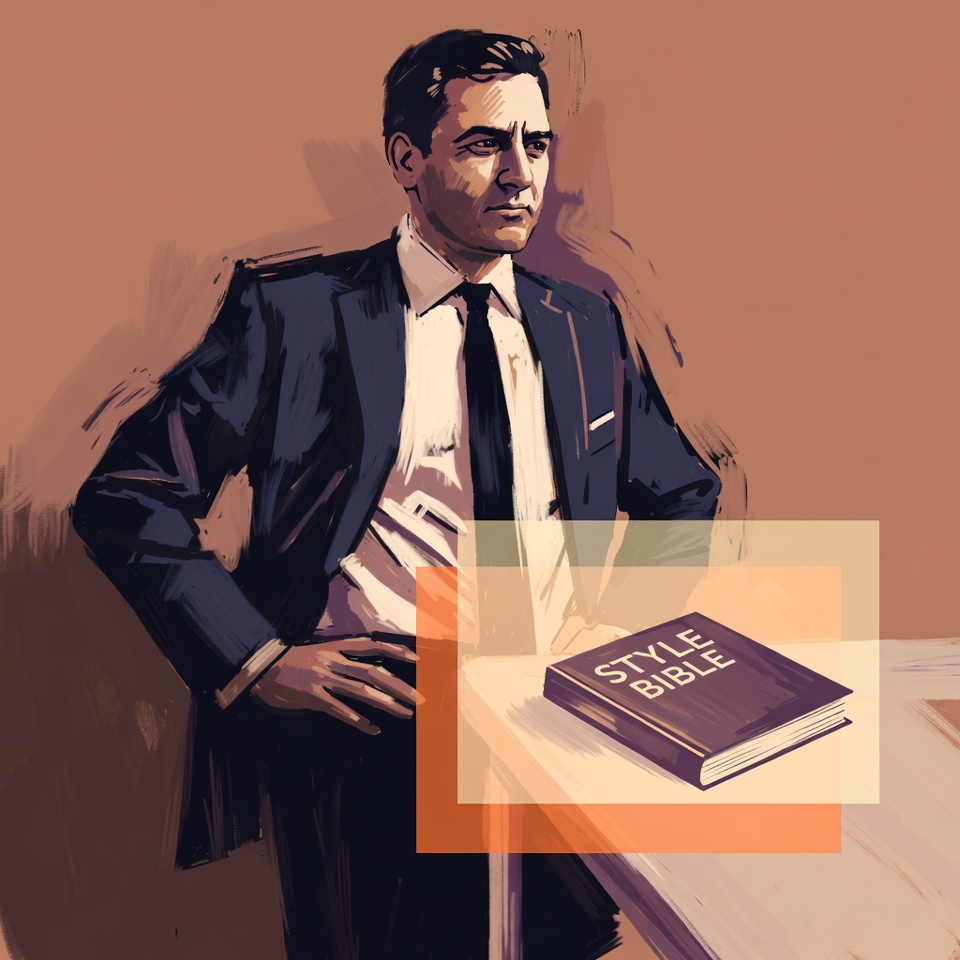
In 2026, many teams still assume that a strong style guide is enough to protect visual consistency. It is not. A style bible can describe color logic, shape language, rendering priorities, and reference boundaries, but once production volume starts to rise, consistency depends less on what is written and more on how decisions move through the pipeline. For an enterprise art director, that difference is decisive.
A game art outsourcing studio can receive the same document as every other partner and still produce very different outcomes depending on how feedback is staged, who approves what, and where interpretation risk is contained. This is why premium 2D collaboration in 2026 increasingly depends on review choreography rather than documentation alone.
Why Documentation Alone No Longer Protects Consistency
The market is moving toward higher throughput, faster concept rounds, and more selective trust in fewer partners. Industry commentary keeps pointing to continuity, sustained output, and stable visual systems as the new markers of quality. In that environment, a style guide is only the starting condition. It cannot police timing, sequencing, escalation logic, or revision discipline by itself.
That gap becomes visible when several squads or external contributors interpret the same guidance at different speeds. One team may optimize for polish too early. Another may over-index on novelty. A third may follow the guide literally but miss the emotional hierarchy that made the guide useful in the first place. The result is not obvious failure. It is soft drift, which is usually more dangerous because it reaches milestone reviews before anyone calls it a problem.
What Review Choreography Actually Means
Review choreography means deciding in advance how visual judgment will move. It defines which checkpoints focus on composition, which rounds test readability, where style fidelity is locked, and when execution detail is allowed to expand. In a premium 2D game art outsourcing pipeline, this sequencing protects both speed and coherence because it prevents teams from solving the wrong problem at the wrong moment.
This matters more than a beautiful bible because scale creates pressure asymmetry. The more assets move at once, the less useful vague feedback becomes. Enterprise pipelines need clear review intent at each gate. Otherwise, the art director becomes the manual sync layer for every correction, and the external partner becomes reactive instead of accountable.
The Four Failure Modes Art Directors See Too Late
The first failure mode is parallel drift. Multiple contributors move in slightly different directions while still appearing on-brand in isolation. The second is premature rendering, where teams spend time refining work before the higher-order decision is stable. The third is feedback compression, where too many comments from too many stakeholders arrive at once and flatten aesthetic priorities. The fourth is approval fatigue, where leadership stops noticing subtle inconsistency because the review surface is too crowded.
A premium art outsourcing studio helps prevent these issues by structuring review flow before they emerge. That means clarifying ownership, reducing interpretation hops, and translating comments into cleaner next actions. The value is not only visual alignment. It is also lower review load for the internal leadership team.
Why Premium 2D Partners Solve This Better Than Ad Hoc Networks
Ad hoc networks often share references, but they rarely share operating rhythm. One vendor may be strong at exploration, another at rendering, and another at key visuals, yet none of that guarantees coherence if the review cadence is fragmented. A mature video game art outsourcing partner performs better because it can hold more of the aesthetic logic inside one accountable system.
That system is especially important for enterprise teams with high content volume. The right concept art outsourcing studio does not simply deliver art on brief. It protects sequence, preserves signal quality in review, and keeps asset families coherent while production pressure rises. In practice, that creates more stable output than a wider network of talented but independently timed contributors.
A Practical Framework for Enterprise Art Directors
A useful framework begins with one question: at what stage does drift usually enter your pipeline? If the answer is briefing, the solution is not more late-stage polish. If the answer is multi-stakeholder review, the solution is not a thicker guide. If the answer is asset family inconsistency, the solution is not more references. Each symptom points to a choreography problem before it points to an art problem.
The next step is to map your visual approvals by intent rather than by calendar. Early rounds should decide direction, not finish. Middle rounds should test consistency, not novelty. Late rounds should confirm execution strength without reopening strategic choices. Once a game outsourcing studio can work inside that structure, consistency becomes easier to scale without draining leadership attention.
Why This Makes NextMars a Strong Fit Now
For an enterprise art director under pressure to scale premium 2D output without visual drift, the real need is not another vendor with a nice portfolio. The need is a partner that can translate style logic into dependable review behavior. That is where NextMars can create leverage. As Nextmars the digital art studio, the team can support high-volume concept and illustration pipelines with clearer checkpoints, cleaner decision flow, and less review fatigue across complex production cycles. In 2026, that is often what separates visual control from visual entropy.

Comments